It was 11:47 PM on a random Wednesday in late October, and I was absolutely *aching* for the smell of orange and anise filling my kitchen. Not the normal kind of craving, you know? The kind that feels almost physical, like a memory you can taste. I didn’t have a speck of bread flour in the house – the nerve – but I had a bag of all-purpose, a jar of orange blossom water I’d bought on a whim months ago, and this stubborn idea that wouldn’t let me sleep. Honestly, I was too tired to overthink it. I just started mixing.
I had this old, cracked ceramic bowl my aunt gave me years ago. It’s got a chip on the rim and it’s probably not worth anything, but it’s the bowl I reach for when I’m making something that matters. That night, it felt right. I was making Pan de Muerto, the traditional Mexican bread for Día de Muertos, but with a twist I’d never tried before – an orange blossom glaze instead of the usual plain sugar coating. It felt a little bit like cheating, maybe even a little disrespectful to tradition, but the craving was louder than my doubts.
Let me tell you, there’s something about baking at that hour. The house is quiet, the lights are dim, and there’s no one to impress. You’re just you, a bowl of dough, and a prayer that it turns out okay. I kneaded the dough by hand, feeling it warm and come alive under my palms, the fragrant orange and anise filling the dark kitchen. Maybe you’ve been there – that moment when a recipe becomes more than just food. It becomes a kind of ritual. When I pulled that golden, glossy loaf from the oven at almost 2 AM, I knew I’d stumbled onto something I’d make every single year for the rest of my life.
Why You’ll Love This Recipe
This Perfect Pan de Muerto with Orange Blossom Glaze isn’t just another bread recipe. It’s the one that makes you stop and close your eyes after the first bite. I’ve tested this version about six times over two years, tweaking the hydration, the proofing time, and the glaze consistency until it was exactly right. Trust me, I’ve had some real duds – a loaf that was so dense it could double as a doorstop, and another that was so dry it crumbled like sand. This one? This is the keeper.
- Deeply Fragrant & Flavorful: The combination of orange zest, anise seed, and orange blossom water creates a perfume that fills your whole house. It’s not subtle, and that’s the point.
- Incredibly Soft & Tender: Thanks to a technique of scalding the milk and using an enriched dough with plenty of butter and eggs, this bread stays moist for days. You won’t need to toast it to make it edible.
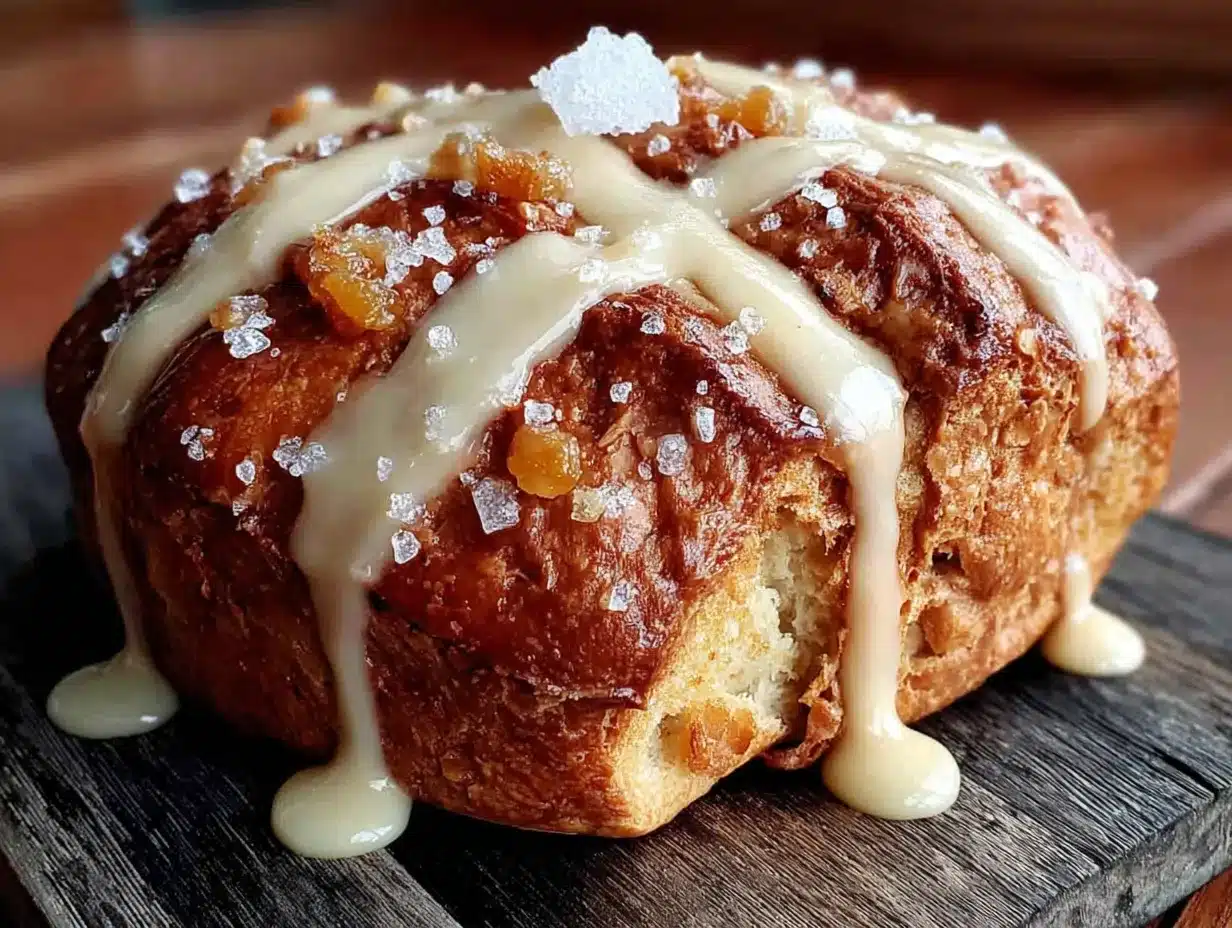
- Visually Stunning: The glossy, citrusy glaze sets to a beautiful sheen, and the traditional bone-shaped decorations make it instantly recognizable. It’s a showstopper on any table.
- Perfect for a Special Occasion: This bread is made for Día de Muertos, but honestly, it’s too good to make only once a year. It’s perfect for fall gatherings, Thanksgiving brunch, or any time you want to honor a memory with something beautiful.
- Surprisingly Manageable: Don’t let the fancy shape scare you. I’ll walk you through every twist and turn. It’s easier than it looks, I promise.
What makes this recipe different is the double dose of orange flavor – zest in the dough and a floral, sweet glaze on top. It’s not just a sugar coating; it’s a flavor experience. This bread isn’t just good. It’s the kind of comforting, soul-soothing bake that makes you feel connected to something bigger than yourself, all while tasting like a warm hug from the inside out.
What Ingredients You Will Need
This recipe uses a mix of pantry staples and a few special ingredients to create that authentic, aromatic flavor. Most of these are easy to find, especially around the fall season. The key is treating each ingredient with a little respect.
- For the Dough (The Tangzhong Starter):
- 3 tablespoons (24g) bread flour – This is for the tangzhong, a cooked flour paste that keeps the bread incredibly soft. Use bread flour here for best results.
- 1/2 cup (120ml) whole milk – Scalded and cooled slightly. Whole milk gives the richest flavor, but 2% will work in a pinch.
- For the Dough (The Main Event):
- 2 1/2 cups (320g) bread flour, plus more for dusting – I prefer King Arthur for its consistent protein content. It gives the bread structure while staying tender.
- 1/4 cup (50g) granulated sugar – Just enough sweetness to balance the anise and orange.
- 2 1/4 teaspoons (7g) active dry yeast – One standard packet. Make sure it’s not expired, or your bread won’t rise.
- 1 teaspoon (6g) fine sea salt – Don’t skip this. Salt controls the yeast and brings out the flavors.
- 1 teaspoon (2g) anise seed – Lightly crushed with a mortar and pestle or the back of a knife. This is non-negotiable for authentic flavor.
- 1 tablespoon (6g) orange zest – From about one large, organic orange. Zest it before you juice it!
- 2 large eggs, at room temperature – Cold eggs will shock the dough. Let them sit out for 30 minutes.
- 1 large egg yolk, at room temperature – The extra yolk adds richness and tenderness.
- 1/4 cup (60g) unsalted butter, very soft – Let it sit out for at least an hour. It should be spreadable but not melted.
- 1/4 cup (60ml) warm water (about 105-110°F) – To activate the yeast.
- For the Orange Blossom Glaze:
- 1 1/2 cups (180g) powdered sugar, sifted – Sifting is key to a smooth, lump-free glaze.
- 2-3 tablespoons (30-45ml) orange juice, freshly squeezed – From that orange you zested.
- 1 tablespoon (15ml) orange blossom water – Look for this in the international aisle or a specialty market. A little goes a long way.
- 1 tablespoon (15g) unsalted butter, melted – This gives the glaze a beautiful shine and a slight richness.
- Pinch of salt – To balance the sweetness.
Equipment Needed
You don’t need a professional bakery setup for this, but a few specific tools will make your life a lot easier. I’ve made this bread with just my hands and a wooden spoon, and it was a workout. Trust me on the stand mixer if you have one.
- Stand Mixer with Dough Hook: This is a huge help for kneading the sticky, enriched dough. You can do it by hand, but it takes about 15 minutes of solid kneading. My KitchenAid does it in 8.
- Digital Kitchen Scale: For the most accurate results, especially with flour. I cannot stress this enough. Measuring flour by volume is a gamble, and this bread deserves a sure thing.
- Large Mixing Bowl (the cracked one is fine!): For the initial mixing and first rise.
- Baking Sheet: A standard half-sheet pan lined with parchment paper or a silicone baking mat.
- Small Saucepan: For scalding the milk and making the tangzhong.
- Whisk and Spatula: For the glaze and general mixing.
- Cooling Rack: Essential for the glaze to set properly without getting soggy on the bottom.
Preparation Method
Okay, let’s get to it. This process has a few steps, but I’ve broken it down so it feels manageable. Give yourself about 3.5 to 4 hours total, including rising time. Most of that is hands-off.
- Make the Tangzhong (10 minutes): In a small saucepan, whisk together the 3 tablespoons of bread flour and 1/2 cup of milk. Place over medium heat and whisk constantly. Within 2-3 minutes, it will thicken into a paste that looks like thick pudding. Remove from heat and let it cool completely. You can speed this up by spreading it on a plate.
- Activate the Yeast (5 minutes): In the bowl of your stand mixer, combine the warm water, 1 teaspoon of the sugar, and the yeast. Stir gently and let it sit for 5-10 minutes until it’s foamy and smells like bread. If it doesn’t foam, your yeast is dead. Start over.
- Mix the Dough (10 minutes): To the foamy yeast, add the remaining sugar, the salt, crushed anise seed, orange zest, the two whole eggs, the egg yolk, the cooled tangzhong paste, and about half of the bread flour. Mix on low with the dough hook until combined. Add the rest of the flour and mix on low for 2 minutes. The dough will look shaggy and dry. That’s okay.
- Incorporate the Butter (5 minutes): With the mixer running on low, add the very soft butter one tablespoon at a time. It will look like a greasy mess for a minute. Don’t panic. Scrape the bowl down and turn the mixer to medium-low. Knead for 6-8 minutes until the dough is smooth, elastic, and pulls away from the sides of the bowl. It will still be a little tacky, that’s perfect.
- First Rise (1 to 1.5 hours): Shape the dough into a ball and place it in a lightly greased bowl. Cover tightly with plastic wrap and let it rise in a warm, draft-free place until doubled in size. I put mine in the microwave with a cup of hot water.
- Shape the Loaf (15 minutes): Turn the dough out onto a lightly floured surface. Gently punch it down. Cut off a piece of dough about the size of a large egg (about 100g) and set it aside. Shape the main piece into a smooth, tight ball. Place it on your prepared baking sheet. Now, for the decorations: divide the reserved dough into 4 equal pieces. Roll each piece into a long rope, about 6 inches long. Place two ropes across the top of the ball to form a cross. Place the other two ropes around the base of the ball to form a ring. Press the ends gently to seal. Finally, take a small piece from the remaining dough, roll it into a small ball, and press it gently into the center top where the ropes cross. This is the “teardrop” or “skull” knot.
- Second Rise (45 minutes to 1 hour): Cover the shaped loaf loosely with a clean kitchen towel. Let it rise again until it’s puffy and almost doubled. It should look like a fat, happy cloud.
- Bake (25-30 minutes): Preheat your oven to 350°F (175°C). Bake the bread for 25-30 minutes, or until it’s a deep golden brown and sounds hollow when you tap the bottom. If it’s browning too fast, tent it loosely with foil after 15 minutes.
- Make the Glaze (5 minutes): While the bread bakes, whisk together the sifted powdered sugar, 2 tablespoons of orange juice, the orange blossom water, melted butter, and a pinch of salt. Whisk until smooth. Add the last tablespoon of orange juice only if needed to reach a thick, pourable consistency.
- Glaze & Cool: Let the bread cool on the baking sheet for 10 minutes, then transfer it to a cooling rack. While it’s still warm (but not hot), generously brush or drizzle the glaze over the top. Let it set for at least 20 minutes before slicing. The glaze will harden to a beautiful, glossy finish.
Cooking Tips & Techniques
I’ve made every mistake in the book with this bread, so you don’t have to. Let me save you some heartache.
Don’t skip the tangzhong. I know it’s an extra step, but it’s the secret to bread that stays soft for days. Without it, your Pan de Muerto will be dry by the next morning. I learned this the hard way when I made a version for a friend’s ofrenda and it was a crumbly mess by the next day. Never again.
Temperature is everything. Your butter needs to be soft, your eggs need to be room temperature, and your milk for the tangzhong needs to be scalded but not boiling. Cold ingredients will make your dough stiff and hard to knead. Hot ingredients will kill your yeast. I use an instant-read thermometer to check the water for the yeast – 110°F is the sweet spot.
Don’t over-flour your surface. This is a sticky dough by nature. Resist the urge to dump extra flour on it while shaping. A light dusting on your hands and the counter is all you need. The dough will become less sticky as it rests and proofs. If you add too much flour, you’ll end up with a dense, heavy loaf.
Trust the visual cues. Recipes give you times, but your oven and kitchen are different from mine. Look for the dough to be doubled and puffy. Look for the bread to be deeply golden and sound hollow. The glaze should be thick enough to coat the back of a spoon but thin enough to drizzle. Your senses are your best tools.
Variations & Adaptations
This recipe is a beautiful canvas. Here are a few ways I’ve played with it over the years.
- Gluten-Free Version: I tested this with a high-quality 1-to-1 gluten-free flour blend (the one with xanthan gum already in it). The texture is a little more cake-like and less chewy, but the flavor is still fantastic. You’ll need to add an extra tablespoon of milk to the dough as GF flours absorb more liquid.
- Dairy-Free Adaptation: Swap the whole milk for oat milk or full-fat canned coconut milk. Use vegan butter sticks (like Miyoko’s) in place of the dairy butter. The flavor will change slightly, but it’s still delicious. I’ve made it with oat milk and it was a hit at a potluck.
- Different Citrus: Not a fan of orange? Use lemon zest in the dough and a lemon-verbena glaze. Or try grapefruit zest and a touch of rose water for a more floral, sophisticated version. I made a blood orange version in January when they were in season, and the color was unreal.
- Spiced Version: Add 1/2 teaspoon of ground cinnamon and 1/4 teaspoon of ground cloves to the dough along with the anise seed. It gives the bread a warmer, more wintery feel. Perfect for a Christmas morning breakfast.
Serving & Storage Suggestions
This bread is best enjoyed the day it’s made, when the glaze is still glossy and the crumb is pillowy soft. But it’s still pretty amazing the next day.
Serving: Serve it at room temperature or slightly warm. It’s wonderful on its own, but it’s also incredible with a cup of Mexican hot chocolate or a strong café de olla. For a truly special presentation, arrange it on a platter with marigolds (cempasúchil) and a few sugar skulls. It’s a beautiful centerpiece for a Día de Muertos altar or a fall brunch table.
Storage: Store the bread in an airtight container at room temperature for up to 3 days. Do not refrigerate it – the fridge will dry it out. The glaze may soften slightly, but that’s part of its charm.
Freezing: You can freeze the unglazed bread for up to 2 months. Wrap it tightly in plastic wrap, then a layer of foil. When you’re ready to serve, thaw it at room temperature, then warm it in a 300°F oven for 5-10 minutes. Glaze it while it’s still warm.
Reheating: For that just-baked feeling, pop a slice in the toaster oven or a 350°F oven for 3-5 minutes. The outside gets a little crisp while the inside stays soft. It’s heavenly.
Nutritional Information & Benefits
Let’s be real – this is a celebratory bread, not a health food. But it does have some redeeming qualities! The portion size here is for one slice, assuming you get 12 slices out of the loaf.
| Nutrient | Amount per Slice |
|---|---|
| Calories | ~280 |
| Total Fat | 8g |
| Saturated Fat | 4.5g |
| Carbohydrates | 45g |
| Sugar | 22g |
| Protein | 6g |
| Fiber | 1g |
Pin This Recipe!
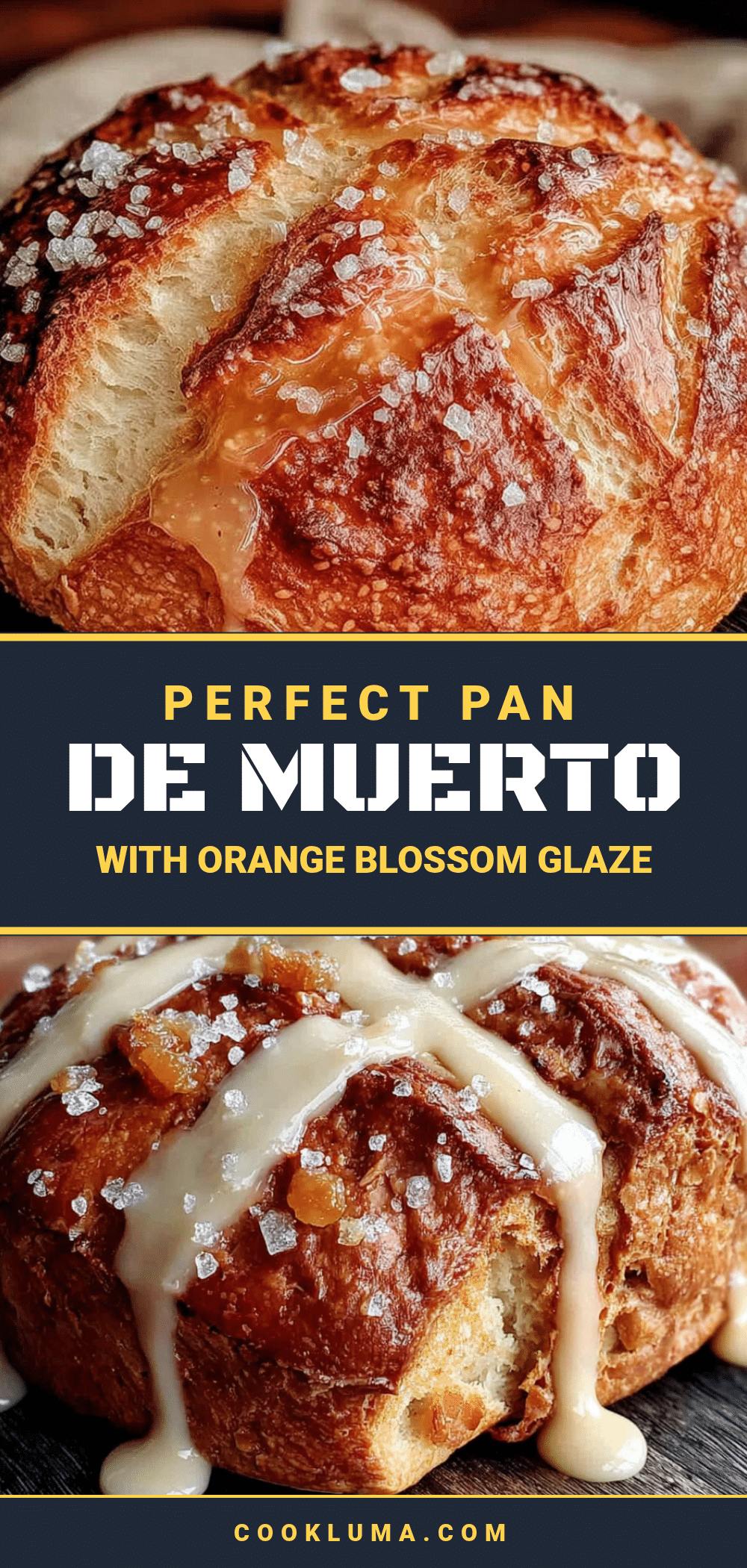
Perfect Pan de Muerto with Orange Blossom Glaze
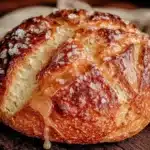
This deeply fragrant and incredibly soft Mexican bread for Día de Muertos features a double dose of orange flavor with a floral, sweet orange blossom glaze. It’s a soul-soothing, visually stunning bake that’s surprisingly manageable to make at home.
- Prep Time: 30 minutes
- Cook Time: 30 minutes
- Total Time: 4 hours
- Yield: 12 servings
- Category: Bread
- Cuisine: Mexican
Ingredients
- For the Tangzhong Starter: 3 tablespoons (24g) bread flour
- For the Tangzhong Starter: 1/2 cup (120ml) whole milk
- For the Dough: 2 1/2 cups (320g) bread flour, plus more for dusting
- For the Dough: 1/4 cup (50g) granulated sugar
- For the Dough: 2 1/4 teaspoons (7g) active dry yeast
- For the Dough: 1 teaspoon (6g) fine sea salt
- For the Dough: 1 teaspoon (2g) anise seed, lightly crushed
- For the Dough: 1 tablespoon (6g) orange zest
- For the Dough: 2 large eggs, at room temperature
- For the Dough: 1 large egg yolk, at room temperature
- For the Dough: 1/4 cup (60g) unsalted butter, very soft
- For the Dough: 1/4 cup (60ml) warm water (about 105-110°F)
- For the Orange Blossom Glaze: 1 1/2 cups (180g) powdered sugar, sifted
- For the Orange Blossom Glaze: 2-3 tablespoons (30-45ml) orange juice, freshly squeezed
- For the Orange Blossom Glaze: 1 tablespoon (15ml) orange blossom water
- For the Orange Blossom Glaze: 1 tablespoon (15g) unsalted butter, melted
- For the Orange Blossom Glaze: Pinch of salt
Instructions
- Make the Tangzhong (10 minutes): In a small saucepan, whisk together the 3 tablespoons of bread flour and 1/2 cup of milk. Place over medium heat and whisk constantly. Within 2-3 minutes, it will thicken into a paste that looks like thick pudding. Remove from heat and let it cool completely. You can speed this up by spreading it on a plate.
- Activate the Yeast (5 minutes): In the bowl of your stand mixer, combine the warm water, 1 teaspoon of the sugar, and the yeast. Stir gently and let it sit for 5-10 minutes until it’s foamy and smells like bread. If it doesn’t foam, your yeast is dead. Start over.
- Mix the Dough (10 minutes): To the foamy yeast, add the remaining sugar, the salt, crushed anise seed, orange zest, the two whole eggs, the egg yolk, the cooled tangzhong paste, and about half of the bread flour. Mix on low with the dough hook until combined. Add the rest of the flour and mix on low for 2 minutes. The dough will look shaggy and dry. That’s okay.
- Incorporate the Butter (5 minutes): With the mixer running on low, add the very soft butter one tablespoon at a time. It will look like a greasy mess for a minute. Don’t panic. Scrape the bowl down and turn the mixer to medium-low. Knead for 6-8 minutes until the dough is smooth, elastic, and pulls away from the sides of the bowl. It will still be a little tacky, that’s perfect.
- First Rise (1 to 1.5 hours): Shape the dough into a ball and place it in a lightly greased bowl. Cover tightly with plastic wrap and let it rise in a warm, draft-free place until doubled in size. I put mine in the microwave with a cup of hot water.
- Shape the Loaf (15 minutes): Turn the dough out onto a lightly floured surface. Gently punch it down. Cut off a piece of dough about the size of a large egg (about 100g) and set it aside. Shape the main piece into a smooth, tight ball. Place it on your prepared baking sheet. Now, for the decorations: divide the reserved dough into 4 equal pieces. Roll each piece into a long rope, about 6 inches long. Place two ropes across the top of the ball to form a cross. Place the other two ropes around the…
- Second Rise (45 minutes to 1 hour): Cover the shaped loaf loosely with a clean kitchen towel. Let it rise again until it’s puffy and almost doubled. It should look like a fat, happy cloud.
- Bake (25-30 minutes): Preheat your oven to 350°F (175°C). Bake the bread for 25-30 minutes, or until it’s a deep golden brown and sounds hollow when you tap the bottom. If it’s browning too fast, tent it loosely with foil after 15 minutes.
- Make the Glaze (5 minutes): While the bread bakes, whisk together the sifted powdered sugar, 2 tablespoons of orange juice, the orange blossom water, melted butter, and a pinch of salt. Whisk until smooth. Add the last tablespoon of orange juice only if needed to reach a thick, pourable consistency.
- Glaze & Cool: Let the bread cool on the baking sheet for 10 minutes, then transfer it to a cooling rack. While it’s still warm (but not hot), generously brush or drizzle the glaze over the top. Let it set for at least 20 minutes before slicing. The glaze will harden to a beautiful, glossy finish.
Notes
Don’t skip the tangzhong – it’s the secret to bread that stays soft for days. Temperature is everything: butter must be soft, eggs room temperature, and milk scalded but not boiling. Don’t over-flour your surface; this is a sticky dough by nature. Trust visual cues over times. The bread is best enjoyed the day it’s made. Store in an airtight container at room temperature for up to 3 days. Do not refrigerate. Freeze unglazed bread for up to 2 months.
Nutrition
- Serving Size: 1 slice
- Calories: 280
- Sugar: 22
- Sodium: 200
- Fat: 8
- Saturated Fat: 4.5
- Carbohydrates: 45
- Fiber: 1
- Protein: 6
Keywords: Pan de Muerto, Day of the Dead bread, orange blossom, Mexican bread, anise bread, Día de Muertos, enriched dough, tangzhong, fall baking