It was 11:15 PM on a particularly miserable Tuesday in late October, and I had a very specific, almost primal craving for mac and cheese. You know the feeling – that deep, bone-tired need for something creamy, cheesy, and completely soul-soothing. But I didn’t have a block of sharp cheddar or the energy for a complicated roux. What I did have was a sad, single butternut squash sitting on the counter, a half-empty bag of pasta, and a wild, sleep-deprived idea. The result was this absurdly creamy, slightly sweet, deeply savory bowl of comfort that felt like a hug I didn’t know I needed. Honestly, the best kitchen alchemy happens when you’re too tired to overthink it.
I mean, the whole thing was a bit of a mess. I forgot to save the pasta water, there was a small explosion of sage leaves when I dropped the hot butter, and I used the wrong measuring cup for the milk. But that first bite? The velvety squash sauce clinging to every nook of the pasta, with that salty, crispy sage crumble on top? It was a moment of pure, unplanned victory. Maybe you’ve been there, staring into the fridge at 11 PM, wondering what culinary magic you can make from the scraps. This recipe is that magic. It’s the kind of dish that doesn’t just fill you up; it fixes the whole day. And that’s why, even on the best days, I keep coming back to it.
Why You’ll Love This Recipe
This isn’t your average boxed mac and cheese. It’s a bowl of pure, unadulterated comfort that also happens to be a little bit fancy. Trust me, I’ve tested this more times than I can count to get the texture just right – no grainy sauces, no watery flavors, just pure creamy bliss.
- Quick & Easy: It comes together in about 45 minutes, making it perfect for a cozy weeknight dinner or a lazy Sunday meal. Most of the time is hands-off while the squash roasts.
- Simple Ingredients: You won’t need a trip to a specialty store. The core ingredients are pantry staples and a humble butternut squash.
- Perfect for Cozy Nights: This is the ultimate comfort food for cold weather, a rough day, or when you just need something to warm you from the inside out.
- Crowd-Pleaser: I’ve served this to kids, picky eaters, and foodie friends. It gets rave reviews every single time. The squash adds a sweetness that everyone loves, but it’s not overpowering.
- Unbelievably Delicious: The texture is next-level – velvety smooth from the roasted squash and sharp, tangy from the cheese. The crispy sage on top is the crunchy, herby crown jewel that makes it unforgettable.
What makes this recipe different from all the rest? It’s the technique. Instead of boiling the squash, we roast it. This concentrates the natural sugars, giving the sauce a deep, caramelized sweetness without needing any added sugar. It’s a little trick I learned after making one too many watery, bland squash sauces. This one is rich, thick, and perfectly balanced. It’s the kind of recipe that makes you close your eyes after the first bite – it’s comfort food, reimagined and perfected.
What Ingredients You Will Need
This recipe uses simple, wholesome ingredients that work together to create a symphony of flavor and texture. You’ll likely have most of these on hand, which is part of the beauty of it.
- For the Roasted Butternut Squash:
- 1 medium butternut squash (about 2-3 lbs), peeled, seeded, and cubed
- 2 tablespoons olive oil
- 1/2 teaspoon salt
- 1/4 teaspoon black pepper
- For the Pasta & Sauce:
- 1 lb (450g) short pasta (like cavatappi, shells, or elbow macaroni)
- 4 tablespoons unsalted butter
- 1 small yellow onion, diced (about 1 cup)
- 3 cloves garlic, minced
- 1/4 cup all-purpose flour (or gluten-free 1:1 blend)
- 2 cups whole milk (or 2% for a lighter version)
- 1 cup low-sodium chicken or vegetable broth
- 1 1/2 cups sharp white cheddar cheese, freshly grated (I recommend a good block of cheddar, not pre-shredded, as it melts much smoother)
- 1/2 cup Parmesan cheese, freshly grated
- 1/2 teaspoon smoked paprika (adds a lovely warmth)
- 1/4 teaspoon ground nutmeg (a classic pairing with squash)
- Salt and black pepper to taste
- For the Crispy Sage Topping:
- 3 tablespoons unsalted butter
- 15-20 fresh sage leaves
- Flaky sea salt for finishing (optional, but highly recommended)
Ingredient Tips: When picking a butternut squash, look for one that feels heavy for its size with a firm, matte skin. For the cheese, grating it yourself from a block is non-negotiable for a smooth sauce. Pre-shredded cheese contains starches that prevent it from melting well. I personally love using a sharp white cheddar from a local dairy – it gives the best tangy flavor.
Equipment Needed
You don’t need any fancy gadgets for this recipe, just some solid kitchen basics. Here’s what you’ll need to get the job done.
- Baking Sheet: For roasting the squash.
- Large Pot: For boiling the pasta.
- Large Skillet or Dutch Oven: For making the sauce. A Dutch oven is my go-to because it holds heat so well.
- Small Skillet: For frying the sage leaves.
- Immersion Blender or Standard Blender: To puree the roasted squash into a silky smooth sauce. A food processor works in a pinch, but an immersion blender is so much easier to clean.
- Box Grater: For grating your cheese.
- Wooden Spoon or Silicone Spatula: For stirring.
- Measuring Cups and Spoons: For accuracy.
If you don’t have an immersion blender, don’t worry. You can let the roasted squash cool slightly, then transfer it to a regular blender with a cup of the milk and puree until smooth. Just be careful with the hot steam – always remove the center cap of the blender lid and cover it with a towel.
Preparation Method
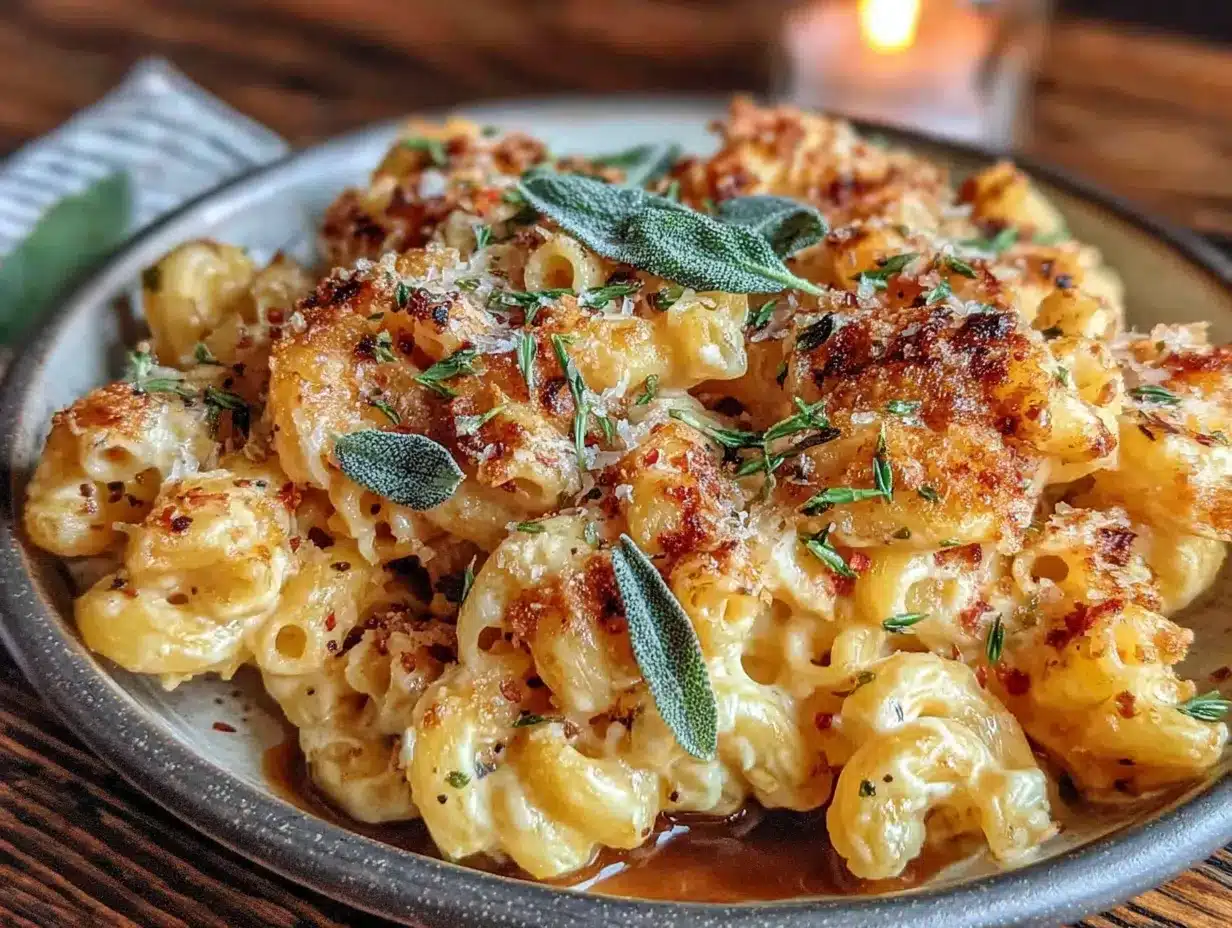
Let’s get cooking! This recipe flows really well, and I’ll guide you through every step. The key is to get the squash roasting first, as that’s the longest part.
- Roast the Squash (30-35 minutes): Preheat your oven to 400°F (200°C). Toss the cubed butternut squash with 2 tablespoons of olive oil, 1/2 teaspoon salt, and 1/4 teaspoon pepper. Spread it out in a single layer on a baking sheet. Roast for 25-35 minutes, flipping halfway through, until the squash is tender and the edges are starting to caramelize. You want it to be easily pierced with a fork. Let it cool slightly.
- Cook the Pasta (10-12 minutes): While the squash roasts, bring a large pot of salted water to a rolling boil. Cook the pasta according to package directions until al dente. Before you drain it, reserve about 1 cup of the starchy pasta water. Drain the pasta and set it aside. This water is liquid gold for thinning the sauce later if needed.
- Make the Squash Puree (5 minutes): Transfer the roasted squash to a blender or a large, deep bowl. Add 1 cup of the milk. Blend or use an immersion blender until the mixture is completely smooth and velvety. Set this aside.
- Start the Cheese Sauce Base (10 minutes): In your large skillet or Dutch oven, melt 4 tablespoons of butter over medium heat. Add the diced onion and cook for 4-5 minutes, until it’s soft and translucent. Add the minced garlic and cook for another 30 seconds until fragrant. Be careful not to burn the garlic.
- Make the Roux (2 minutes): Sprinkle the 1/4 cup of flour over the cooked onions and garlic. Stir constantly with a wooden spoon for about 1-2 minutes. This cooks the raw flour taste out. The mixture will look like a thick paste – that’s your roux.
- Build the Sauce (5 minutes): Slowly pour in the remaining 1 cup of milk and the 1 cup of broth, whisking constantly to prevent lumps. Continue to cook, stirring, until the sauce thickens enough to coat the back of a spoon, about 3-4 minutes.
- Combine and Melt (3 minutes): Reduce the heat to low. Add the smooth squash puree to the pot and stir until it’s fully incorporated. Now, add the sharp cheddar and Parmesan cheese, a handful at a time, stirring until each addition is completely melted before adding the next. This is the secret to a non-grainy sauce. Stir in the smoked paprika and ground nutmeg. Taste and add salt and pepper as needed. Remember, the cheese is salty, so go easy at first.
- Combine Pasta and Sauce (2 minutes): Add the drained pasta to the pot of sauce. Stir gently until every piece of pasta is beautifully coated. If the sauce seems too thick, add a splash of that reserved pasta water until it reaches your desired consistency.
- Make the Crispy Sage Topping (5 minutes): In a small skillet, melt 3 tablespoons of butter over medium heat. Once it’s sizzling, add the sage leaves in a single layer. Fry for 30-60 seconds per side, until they are dark green, crispy, and the butter starts to brown and smell nutty. Be careful – they can burn quickly. Remove the sage leaves with a slotted spoon to a paper towel-lined plate. They will crisp up more as they cool.
- Serve Immediately: Spoon the mac and cheese into bowls. Top with the crispy sage leaves and a drizzle of the browned butter from the pan. A final sprinkle of flaky sea salt is a beautiful finish.
Cooking Tips & Techniques
I’ve made this recipe a dozen times, and I’ve learned a few things the hard way. Here are my best tips to make sure yours turns out perfectly.
- Don’t skip roasting the squash. I know it’s tempting to boil it to save time, but roasting is where the magic happens. It concentrates the sweetness and gives the sauce a much deeper, more complex flavor. It’s the difference between a good mac and cheese and a great one.
- Use freshly grated cheese. I cannot stress this enough. Pre-shredded cheese has anti-caking agents that prevent it from melting smoothly, leaving you with a gritty sauce. Grating a block of cheese takes two minutes and makes a world of difference.
- Low and slow for the cheese. When you add the cheese to the sauce, keep the heat on low. High heat can cause the cheese to seize up and become clumpy. Patience is key here – let it melt gently.
- Watch the sage like a hawk. Fried sage goes from perfectly crispy to burnt in about 15 seconds. Keep your eyes on the pan, and don’t walk away. The moment they turn a darker shade of green and stop sizzling, they’re done.
- Save that pasta water. I once forgot to do this and ended up with a gluey, thick mess. The starchy water is the perfect way to loosen a sauce that’s too thick without watering down the flavor.
Variations & Adaptations
This recipe is a great base, but don’t be afraid to make it your own. Here are a few ways I’ve played around with it.
- Make it Gluten-Free: Simply use your favorite gluten-free pasta and a 1:1 gluten-free all-purpose flour blend for the roux. It works like a charm.
- Add Some Protein: For a heartier meal, stir in some shredded rotisserie chicken, crispy bacon bits, or leftover roasted sausage. It turns this side dish into a full dinner.
- Spice It Up: If you like a little heat, add a pinch of cayenne pepper or red pepper flakes to the sauce along with the paprika. It pairs beautifully with the sweet squash.
- Change the Cheese: Sharp cheddar is classic, but you can use a mix. Try Gruyere for a nuttier flavor, or Gouda for a smokier, creamier sauce. I once made it with half cheddar and half fontina, and it was unbelievably melty.
- Add a Crunchy Topping: For a baked version, pour the finished mac and cheese into a baking dish, top with a mixture of panko breadcrumbs and melted butter, and bake at 375°F (190°C) for 15-20 minutes until golden and bubbly.
Serving & Storage Suggestions
This dish is best served immediately, straight from the pot, while it’s hot, creamy, and the sage is perfectly crisp. The contrast of the warm, velvety pasta with the crunchy, salty sage is a textural dream.
What to serve with it: It’s a meal in itself, but a simple side salad with a bright vinaigrette cuts through the richness beautifully. A side of roasted broccoli or green beans also works wonderfully. For a drink, a crisp apple cider or a light, unoaked Chardonnay is a fantastic pairing.
Storage: Leftovers can be stored in an airtight container in the refrigerator for up to 3 days. The sauce will thicken as it sits, so don’t be alarmed.
Reheating: The best way to reheat it is on the stovetop over low heat. Add a splash of milk or broth and stir gently until it’s warm and creamy again. You can also microwave it in 30-second bursts, stirring in between. Unfortunately, the crispy sage will lose its crunch, so I recommend making fresh sage for leftovers. The flavors actually meld and get even better overnight!
Nutritional Information & Benefits
This is comfort food, but it comes with a few surprising health perks, thanks to the star ingredient.
Butternut squash is packed with Vitamin A (great for your eyes and immune system), Vitamin C, and fiber. It adds a natural creaminess that allows you to use less heavy cream than a traditional mac and cheese, making it a slightly lighter indulgence. The sharp cheddar also provides a good dose of calcium and protein.
Estimated per serving (based on 6 servings): Calories: ~550, Fat: 28g, Carbs: 55g, Protein: 22g. Please note this is an estimate and can vary based on specific brands and substitutions used.
Dietary Considerations: This recipe can easily be made gluten-free and vegetarian (use vegetable broth). It is not dairy-free or vegan as written.
Conclusion
So there you have it – my favorite late-night, bad-day-fixing, soul-warming recipe for Cozy Butternut Squash Mac and Cheese with Crispy Sage. It’s proof that the best dishes don’t come from a perfect plan, but from a little bit of desperation and a lot of heart. It’s creamy, it’s comforting, and it has that little bit of fancy flair that makes you feel like a real chef, even on a Tuesday night.
I honestly love how flexible this recipe is. Don’t be afraid to tweak the spices, swap the cheese, or add your favorite toppings. Make it your own! That’s what cooking is all about.
Now I want to hear from you! Have you tried this recipe? Did you add bacon? Did you use a different cheese? Drop a comment below and let me know how it turned out. And if you loved it, please share it with a friend who needs a little cozy hug in a bowl. Happy cooking!
Frequently Asked Questions
Can I use frozen butternut squash?
Yes, you can! To get the best results, thaw the frozen squash and pat it very dry with paper towels before roasting. This will help it caramelize instead of just steaming.
Why is my cheese sauce grainy?
A grainy sauce is usually caused by high heat or pre-shredded cheese. Always use freshly grated cheese and add it to the sauce over low heat, stirring constantly until it’s just melted.
Can I make this recipe ahead of time?
Absolutely. You can prepare the entire dish, transfer it to a baking dish, and refrigerate it unbaked. When you’re ready to eat, bake it at 350°F (175°C) for 20-25 minutes, or until it’s hot and bubbly. Just know the sauce will be a bit thicker.
How do I store leftover crispy sage?
Store leftover crispy sage in an airtight container at room temperature, layered between paper towels. It will stay crispy for a day or two, but it’s always best when made fresh.
Can I use a different type of pasta?
Of course! Any short pasta with nooks and crannies works great. I love cavatappi, shells, or even rigatoni. Avoid long, thin pasta like spaghetti, as the sauce won’t cling to it as well.
Pin This Recipe!
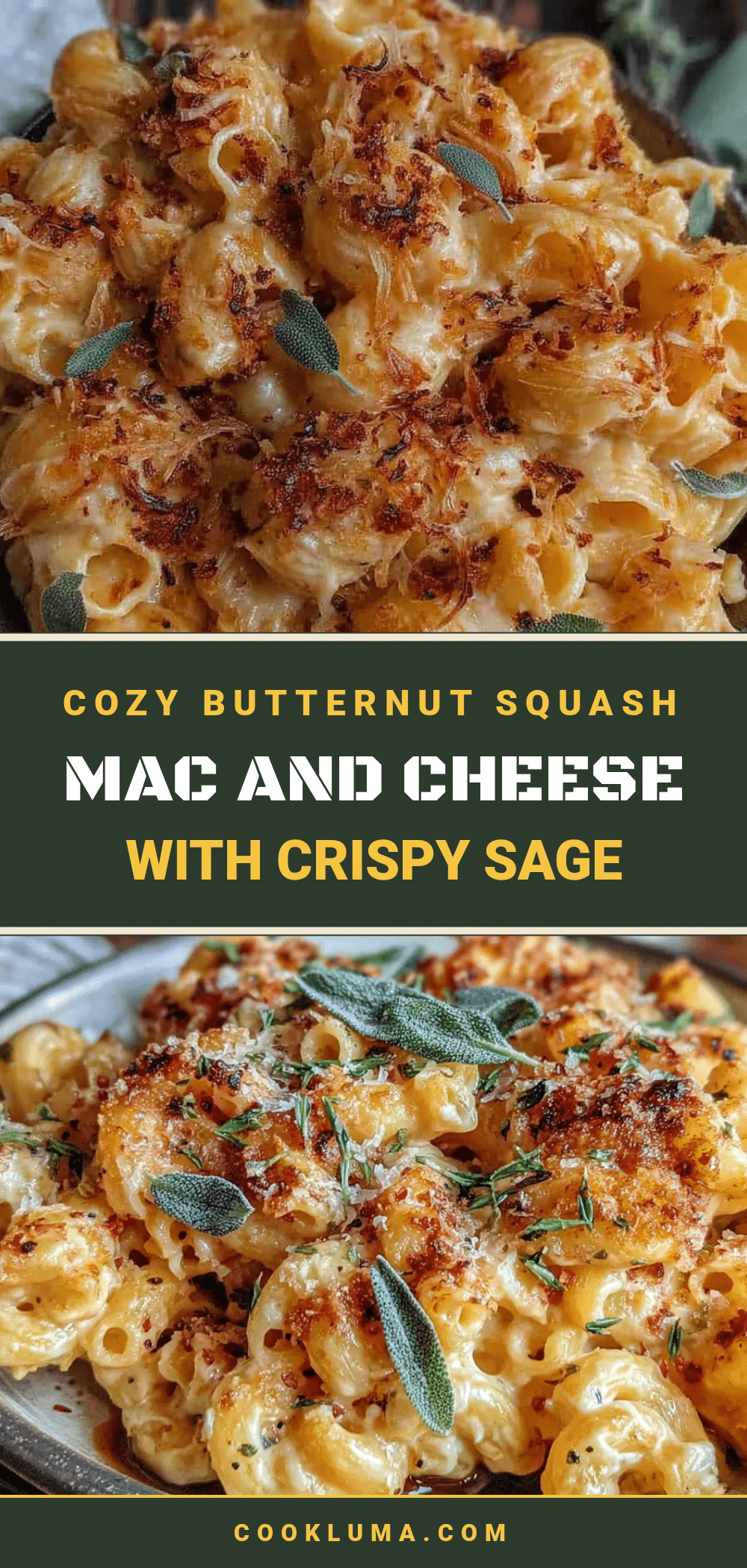
Best Easy Butternut Squash Mac and Cheese Recipe

This absurdly creamy, slightly sweet, deeply savory bowl of comfort comes together in about 45 minutes. Roasted butternut squash creates a velvety sauce without any heavy cream, topped with crispy sage for a crunchy, herby finish.
- Prep Time: 15 minutes
- Cook Time: 30 minutes
- Total Time: 45 minutes
- Yield: 6 servings 1x
- Category: Main Course
- Cuisine: American
Ingredients
- 1 medium butternut squash (about 2–3 lbs), peeled, seeded, and cubed
- 2 tablespoons olive oil
- 1/2 teaspoon salt
- 1/4 teaspoon black pepper
- 1 lb (450g) short pasta (like cavatappi, shells, or elbow macaroni)
- 4 tablespoons unsalted butter
- 1 small yellow onion, diced (about 1 cup)
- 3 cloves garlic, minced
- 1/4 cup all-purpose flour (or gluten-free 1:1 blend)
- 2 cups whole milk (or 2% for a lighter version)
- 1 cup low-sodium chicken or vegetable broth
- 1 1/2 cups sharp white cheddar cheese, freshly grated
- 1/2 cup Parmesan cheese, freshly grated
- 1/2 teaspoon smoked paprika
- 1/4 teaspoon ground nutmeg
- Salt and black pepper to taste
- 3 tablespoons unsalted butter (for sage topping)
- 15–20 fresh sage leaves
- Flaky sea salt for finishing (optional)
Instructions
- Preheat oven to 400°F (200°C). Toss cubed butternut squash with 2 tablespoons olive oil, 1/2 teaspoon salt, and 1/4 teaspoon pepper. Spread in a single layer on a baking sheet. Roast for 25-35 minutes, flipping halfway, until tender and edges caramelize. Let cool slightly.
- While squash roasts, bring a large pot of salted water to a boil. Cook pasta according to package directions until al dente. Reserve 1 cup of pasta water before draining. Drain and set aside.
- Transfer roasted squash to a blender or deep bowl. Add 1 cup of milk. Blend or use an immersion blender until completely smooth and velvety. Set aside.
- In a large skillet or Dutch oven, melt 4 tablespoons butter over medium heat. Add diced onion and cook 4-5 minutes until soft and translucent. Add minced garlic and cook 30 seconds until fragrant.
- Sprinkle 1/4 cup flour over onions and garlic. Stir constantly for 1-2 minutes to cook out raw flour taste. Mixture will form a thick paste (roux).
- Slowly pour in remaining 1 cup milk and 1 cup broth, whisking constantly to prevent lumps. Cook, stirring, until sauce thickens enough to coat the back of a spoon, about 3-4 minutes.
- Reduce heat to low. Add smooth squash puree and stir until fully incorporated. Add sharp cheddar and Parmesan cheese, a handful at a time, stirring until each addition is melted before adding the next. Stir in smoked paprika and nutmeg. Season with salt and pepper to taste.
- Add drained pasta to the sauce. Stir gently until every piece is coated. If sauce is too thick, add a splash of reserved pasta water until desired consistency.
- In a small skillet, melt 3 tablespoons butter over medium heat. Add sage leaves in a single layer. Fry for 30-60 seconds per side until dark green and crispy, and butter begins to brown. Remove with a slotted spoon to a paper towel-lined plate.
- Serve immediately. Spoon mac and cheese into bowls. Top with crispy sage leaves and a drizzle of browned butter from the pan. Sprinkle with flaky sea salt if desired.
Notes
Don’t skip roasting the squash—it concentrates sweetness and deepens flavor. Use freshly grated cheese for a smooth sauce. Keep heat low when adding cheese to prevent graininess. Watch sage carefully as it burns quickly. Reserve pasta water to adjust sauce consistency.
Nutrition
- Serving Size: 1 serving (about 1.5
- Calories: 550
- Sugar: 10
- Sodium: 680
- Fat: 28
- Saturated Fat: 16
- Carbohydrates: 55
- Fiber: 6
- Protein: 22
Keywords: butternut squash mac and cheese, easy mac and cheese, creamy mac and cheese, roasted squash mac and cheese, comfort food, fall recipe, vegetarian mac and cheese