This was supposed to be a savory dish. I had this whole plan for a stuffed acorn squash with wild rice, mushrooms, and maybe some sage—the kind of thing you see in glossy food magazines and think, “Yeah, I can do that.” Except it was a Tuesday night. I was already running late from work, my brain was fried, and I’d forgotten to soak the rice. Classic. I stood there in my kitchen, staring at two perfect acorn squashes, a block of butter softening on the counter, and a bag of brown sugar that had been sitting in my pantry for months. I was tired. I was hungry. And honestly, I was about five minutes away from just ordering pizza. But the squashes had looked so good at the market that morning—deep green ridges and a little orange blush on one side—and I couldn’t bring myself to just let them rot. So I did the only thing that made sense in that moment of culinary defeat. I cut them in half, scooped out the seeds, threw a knob of butter and a generous sprinkle of brown sugar into each cavity, and shoved them in the oven. I figured it would be edible, at best. A sad, sweet side dish to go with the frozen chicken tenders I was now planning to defrost. What came out of the oven, though, was nothing like the plan. And it was so much better. That first bite—the way the caramelized brown sugar had mingled with the tender, almost creamy squash—was one of those quiet, vindicating kitchen moments. I mean, I actually laughed out loud. I had stumbled onto something ridiculously simple and completely delicious. And now, it’s the only way I make acorn squash. If you’ve ever been in that same spot—too tired to cook, but too stubborn to give up—then you’re going to love this one.
Why You’ll Love This Recipe
Let’s be real for a second. Weeknight cooking is a battlefield. You’re tired, the clock is ticking, and the last thing you need is a recipe with a million steps and a sink full of dishes. This brown sugar roasted acorn squash was born from that exact scenario, and it’s been a weeknight hero ever since. It’s the kind of recipe that makes you feel like you have your life together, even when you absolutely do not.
- Quick & Easy: We’re talking about 10 minutes of hands-on prep and about 35 minutes in the oven. You can get this on the table alongside almost any main dish without breaking a sweat.
- Simple Ingredients: You need acorn squash, butter, brown sugar, and a pinch of salt. That’s it. No fancy trips to the store, no exotic spices you’ll never use again. These are pantry and fridge staples.
- Perfect for Busy Weeknights: This is the ultimate “set it and forget it” side dish. You prep the squash, pop it in the oven, and then go make the rest of your dinner. It’s practically hands-off.
- Crowd-Pleaser: I’ve served this to picky kids, skeptical in-laws, and friends who claim they “don’t like squash.” It always gets devoured. The sweet, buttery flavor is universally loved.
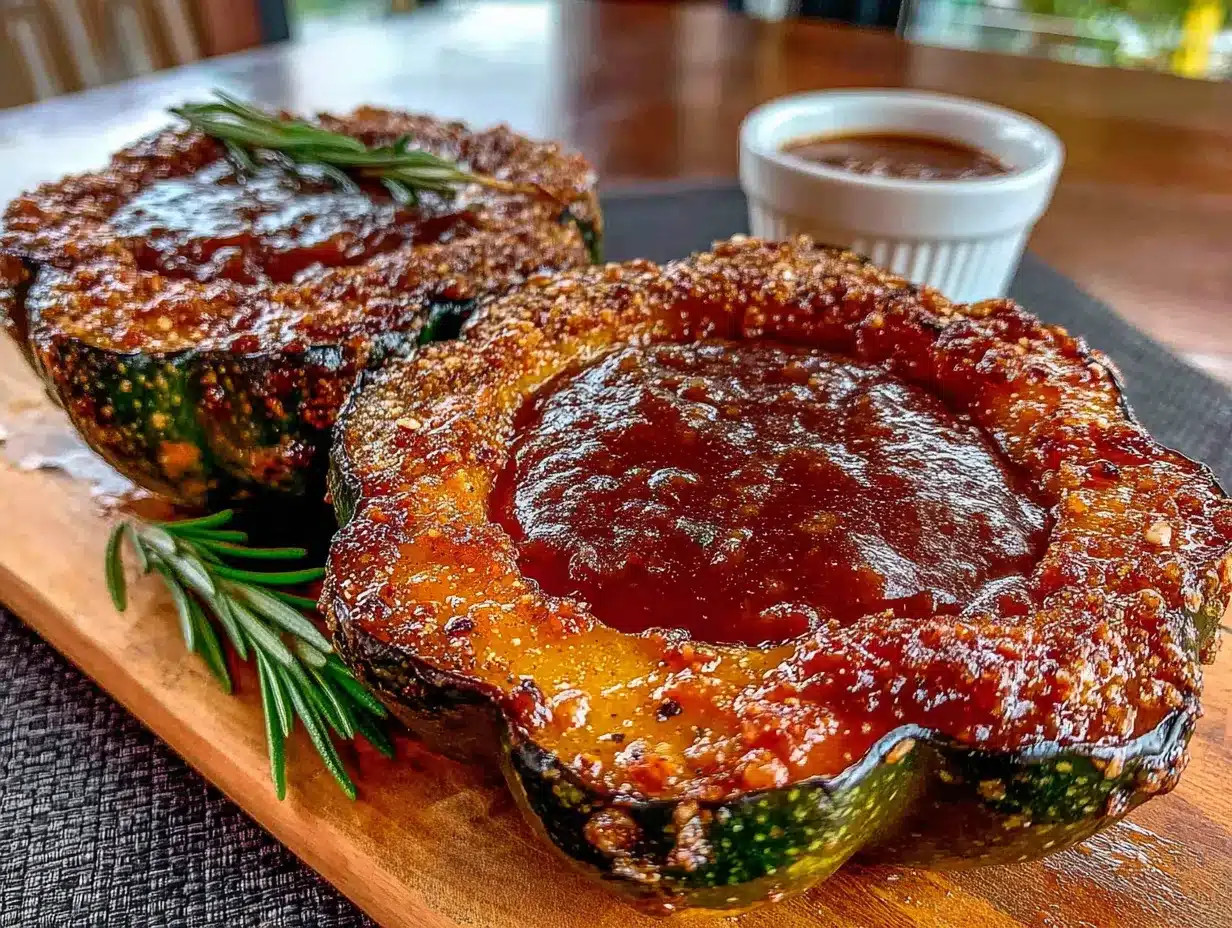
- Unbelievably Delicious: This isn’t just another roasted vegetable. The magic happens when the brown sugar melts with the butter and the squash’s natural sugars, creating a glossy, caramelized glaze that’s pure comfort.
What makes this recipe different from the rest? It’s the ratio. I’ve tested this more times than I care to admit, and I’ve found that a little more butter than you think, paired with a generous hand with the brown sugar, is the secret. It creates a sauce that bastes the squash as it roasts, resulting in the most tender, flavorful interior and beautifully caramelized edges. It’s not just a side dish; it’s the part of the meal everyone reaches for first.
What Ingredients You Will Need
This recipe is a beautiful testament to the fact that you don’t need a long list of ingredients to create something truly special. Each component plays a crucial role, and together, they create a symphony of sweet, savory, and nutty flavors. Here’s what you’ll need to grab from your kitchen.
- Acorn Squash (2 medium): This is the star of the show. Look for squashes that feel heavy for their size and have a deep green color with some orange patches. The orange means it’s more mature and will be sweeter. I usually pick ones that are about 1 to 1.5 pounds each, as they’re the perfect size for a single serving half.
- Unsalted Butter (4 tablespoons, softened): Butter is non-negotiable here. It adds richness and helps the brown sugar melt into a luscious glaze. I prefer unsalted so I can control the salt level. Let it sit out for 15 minutes to soften, making it easier to spread. If you only have salted butter, just skip the extra pinch of salt later.
- Brown Sugar (4 tablespoons, packed): This is where the magic happens. I use light brown sugar for a milder caramel flavor, but dark brown sugar will give you a deeper, more molasses-rich taste. Pack it firmly into the measuring spoon to make sure you’re getting enough sweetness. Trust me on this one.
- Salt (½ teaspoon, plus more for finishing): A good pinch of flaky sea salt, like Maldon, at the very end is what makes this dish sing. It cuts through the sweetness and makes all the flavors pop. I use kosher salt for the initial sprinkle inside the squash.
- Optional – Cinnamon or Pumpkin Pie Spice (¼ teaspoon): This is a lovely addition if you’re feeling fancy. A tiny dusting of cinnamon or pumpkin pie spice in the cavity before you add the butter and sugar adds a warm, cozy note that’s perfect for fall. I often skip it on busy nights, but it’s a nice touch.
Equipment Needed
You don’t need a professional kitchen to make this happen. In fact, you probably already own everything you need. That’s the beauty of a recipe like this—it’s designed for the real world.
- Chef’s Knife: A sharp, sturdy chef’s knife is crucial. Acorn squashes are tough and have a hard skin. A dull knife is a recipe for frustration (and a potential trip to the ER). Take your time and use a gentle sawing motion.
- Cutting Board: A large, stable cutting board is a must. I prefer wood or plastic, but anything that won’t slip around on your counter will do the job.
- Baking Dish or Sheet Pan: A 9×13-inch baking dish or a rimmed sheet pan works perfectly. I like using a baking dish because the sides are higher, which helps contain the buttery, sugary juices as they bubble up.
- Spoon or Scoop: You’ll need a sturdy spoon to scrape out the seeds and stringy pulp from the center of the squash. A grapefruit spoon with a serrated edge works wonders, but a regular tablespoon is fine.
- Pastry Brush (optional): While you can just use the back of a spoon, a small pastry brush is great for evenly spreading the melted butter and sugar mixture over the cut surface of the squash. It’s a small tool that makes a big difference in even browning.
Preparation Method
Alright, let’s get cooking. This is the straightforward, no-stress part. Follow these steps, and you’ll have a beautiful, caramelized side dish on the table before you know it.
- Preheat Your Oven to 400°F (200°C). Getting the oven hot is the first step. This high heat is what will give the squash those beautiful caramelized edges. While it’s heating up, you can prep the squash.
- Carefully Cut the Squash in Half. Place the acorn squash on its side on your cutting board. Using your sharp chef’s knife, carefully cut it in half from the stem end down to the point. This is the hardest part of the whole recipe. If you’re struggling, you can microwave the whole squash for 2 minutes to slightly soften the skin. Be careful with your fingers!
- Scoop Out the Seeds and Strings. Use your sturdy spoon to scrape out all the seeds and the stringy pulp from the center of each half. Don’t worry about getting every last bit, just the majority of it. You can save the seeds to roast later if you want, but for this recipe, we’re tossing them.
- Place the Squash in the Baking Dish. Arrange the squash halves cut-side up in your baking dish or on your sheet pan. Give them a little room so they’re not crowded, which helps them roast instead of steam.
- Season the Cavities. Sprinkle a tiny pinch of salt into each of the four cavities. If you’re using cinnamon or pumpkin pie spice, sprinkle a tiny bit of that in now as well. This layers the flavor from the inside out.
- Add the Butter and Brown Sugar. This is the crucial step. Place 1 tablespoon of the softened butter into each squash cavity. Then, top each with 1 tablespoon of packed brown sugar. Don’t stir it. Just let the butter and sugar sit on top. As it roasts, they’ll melt together and create a beautiful sauce.
- Roast Until Tender and Caramelized. Place the dish in the preheated oven and roast for 35-45 minutes. The squash is done when you can easily pierce the flesh with a fork. The edges should be browned and the sugar should be bubbly and caramelized. The exact time will depend on the size of your squash.
- Baste and Serve. Once the squash is out of the oven, use a spoon to scoop up the buttery, sugary juices from the bottom of the dish and drizzle them back over the cut surface of the squash. This is where the flavor lives. Finish with a final, light sprinkle of flaky sea salt. Serve immediately while they’re hot and tender.
Cooking Tips & Techniques
I’ve made this recipe more times than I can count, and I’ve learned a few things the hard way. Here are my best tips to make sure your acorn squash turns out perfect every single time.
- Don’t Overcrowd the Pan: I made this mistake once when I tried to roast three squashes in a pan that was too small. They ended up steaming instead of roasting, and the texture was mushy rather than tender and caramelized. Give them space. If you’re doubling the recipe, use two pans.
- Softening the Butter is Key: Cold butter is hard to spread, and you want it to melt evenly with the sugar. Letting it come to room temperature for just 10-15 minutes makes a world of difference. It’s a small step that pays off.
- Watch the Sugar: Brown sugar can burn quickly, especially if your oven runs hot. I recommend checking the squash at the 30-minute mark. If the sugar is already getting very dark but the squash isn’t tender, you can tent the dish loosely with foil for the remaining time.
- Use a Meat Thermometer for Perfect Doneness: This might sound a little extra for a vegetable, but it works. The squash is perfectly cooked when the internal temperature reaches about 205°F (96°C). It’s a foolproof way to get that creamy, tender texture every time.
- Deglaze the Pan for a Quick Sauce: After you take the squash out, there will be a beautiful caramelized residue in the bottom of the pan. Add a splash of water or apple cider and put the pan back on the stove over low heat. Scrape up all those brown bits—that’s pure flavor. Drizzle this extra sauce over the squash before serving.
Variations & Adaptations
This recipe is a fantastic base, and it’s incredibly easy to adapt to your taste or what you have on hand. Here are a few of my favorite twists.
- Savory Herb Version: Skip the brown sugar and cinnamon. Instead, stuff each cavity with a tablespoon of butter, a clove of minced garlic, and a sprig of fresh rosemary or thyme. Roast as directed. The garlic will roast and become sweet and mellow, and the herbs will infuse the squash with an incredible aroma. Finish with a generous grating of Parmesan cheese.
- Maple-Mustard Glaze: This is a fantastic alternative to brown sugar. Whisk together 2 tablespoons of maple syrup, 1 tablespoon of whole-grain mustard, and 1 tablespoon of melted butter. Brush this mixture over the cut surface of the squash before roasting. The mustard adds a lovely tang that balances the sweetness.
- Spicy Chipotle Kick: For those who like a little heat, add a pinch of chipotle powder or a small amount of adobo sauce (from a can of chipotle peppers) to the butter and sugar mixture. The smoky heat pairs surprisingly well with the sweet squash. It’s a great side for tacos or grilled meats.
- Vegan-Friendly Option: This is super easy. Just swap the butter for a high-quality vegan butter or a rich coconut oil. The coconut oil will add a subtle, pleasant flavor that works beautifully with the brown sugar. The result is just as tender and delicious.
Serving & Storage Suggestions
This brown sugar roasted acorn squash is incredibly versatile. It’s the side dish that can go with almost anything, from a simple weeknight meal to a holiday feast.
Serving: Serve these squash halves hot, right out of the oven. I like to place each half on a plate and spoon the pan juices over the top. They’re fantastic alongside roasted chicken, pork chops, or a simple seared steak. For a vegetarian meal, pair them with a hearty grain salad or some roasted chickpeas. The sweet, buttery flavor also makes them a wonderful side for Thanksgiving or Christmas dinner.
Storage: If you have leftovers (which is rare in my house!), let the squash cool completely. Store the halves in an airtight container in the refrigerator for up to 4 days. The flavors actually meld together beautifully overnight.
Reheating: The best way to reheat these is in the oven. Place them on a baking sheet and warm them at 350°F (175°C) for about 10-15 minutes, or until heated through. You can also reheat them in the microwave in a pinch, but the texture won’t be as good. The oven helps to re-crisp the edges and revive that caramelized glaze.
Nutritional Information & Benefits
While this is definitely a comfort food dish, it also comes with some surprising nutritional perks. Acorn squash is a powerhouse of vitamins and fiber, making this a side dish you can feel good about.
One serving (half a squash with the butter and sugar) contains approximately:
- Calories: 220-260
- Fat: 12g
- Carbohydrates: 35g
- Fiber: 5g
- Protein: 2g
- Vitamin A: 20% of the Daily Value (DV)
- Vitamin C: 30% of the DV
Acorn squash is an excellent source of Vitamin A (important for eye health) and Vitamin C (a powerful antioxidant). It’s also packed with fiber, which helps with digestion and keeps you feeling full and satisfied. The butter and brown sugar add some richness, but the squash itself is a nutrient-dense base. I love that I can serve something so delicious and still know it’s doing my body some good. It’s a win-win in my book.
Conclusion
Honestly, this recipe is a perfect example of why you should never give up on a good idea, even when your first plan falls apart. What started as a failed attempt at a fancy stuffed squash turned into my go-to side dish. It’s quick, it’s easy, and it’s genuinely one of the most delicious things you can make with almost no effort. I love that it proves you don’t need a long list of ingredients or complicated techniques to create something that tastes like you spent hours in the kitchen. It’s just good, honest food.
I really hope you give this a try. Play around with the variations, make it your own, and don’t be afraid to double the batch because trust me, leftovers are a gift. And if you make it, I’d love to hear about it. Drop a comment below and let me know how it turned out, or share your own twist on it. Happy cooking!
Frequently Asked Questions
Can I use a different type of squash?
Absolutely! Butternut squash or delicata squash are great substitutes. For butternut, peel it, cube it, and toss it with the butter and sugar before roasting. For delicata, you can slice it into rings and roast them the same way. The cooking time will vary, so keep an eye on it.
Do I have to peel the acorn squash?
Nope! The skin of an acorn squash is completely edible once it’s cooked. It becomes tender and is a great source of fiber. However, some people find it a bit chewy. If you prefer, you can scoop the flesh out of the skin after roasting, but I love eating the whole thing.
Can I make this ahead of time?
You can prep the squash up to a day ahead. Cut the squash in half, scoop out the seeds, and store the halves in the refrigerator. When you’re ready to cook, just add the butter and sugar and pop them in the oven. You might need to add 5-10 minutes to the cooking time since the squash will be cold.
My sugar burned before the squash was tender. What went wrong?
This usually happens if your oven runs hot or if the squash was cut too thin. Always check your squash at the 30-minute mark. If the sugar is getting too dark, tent the dish with foil. Also, make sure your squash halves are at least 1-inch thick at the thickest part.
Can I use salted butter instead of unsalted?
Yes, you can! Just be mindful of the extra salt. If you use salted butter, skip the initial pinch of salt you add to the cavity. You can still finish with a light sprinkle of flaky sea salt at the end, but taste it first to make sure it’s not too salty.
Pin This Recipe!
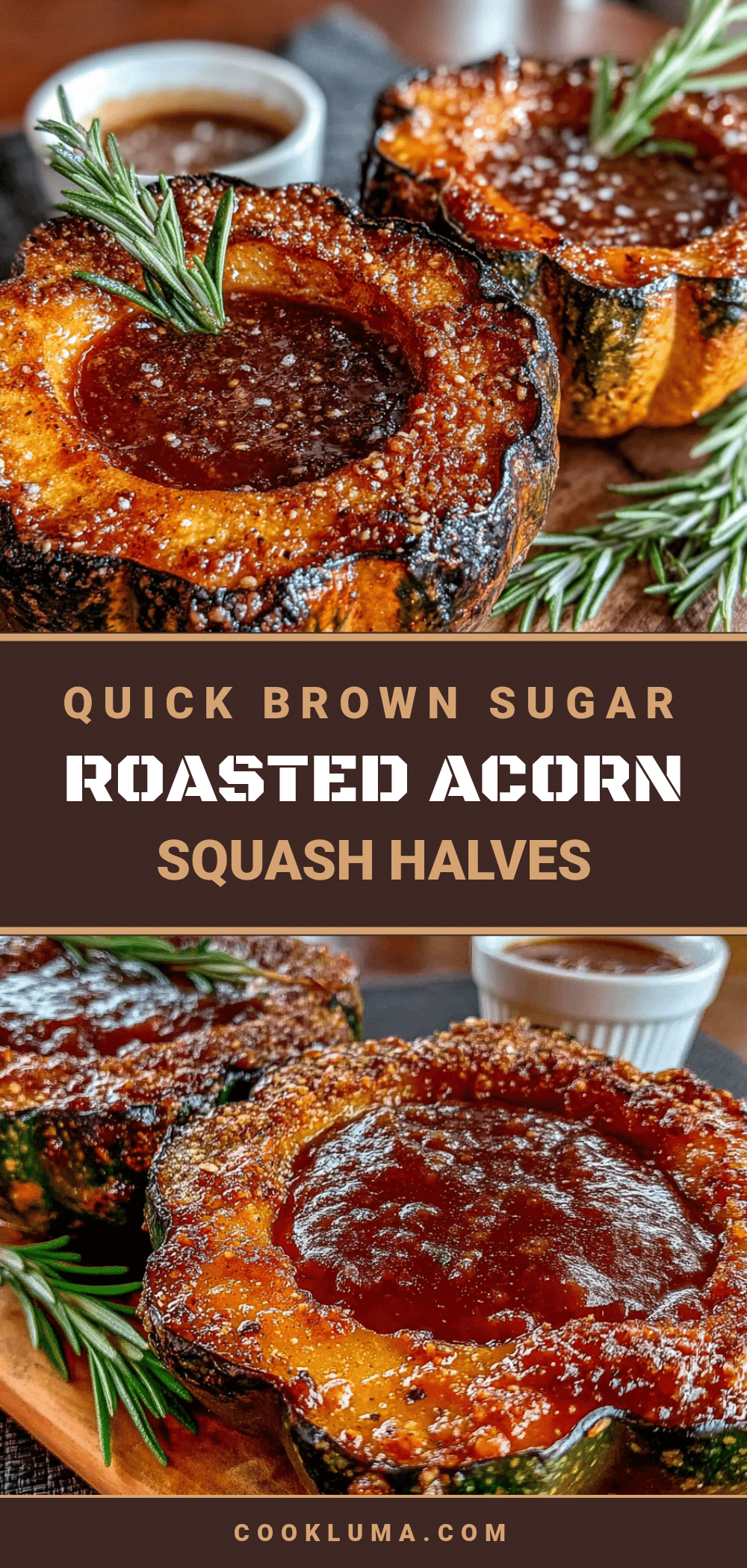
Easy Brown Sugar Roasted Acorn Squash Halves
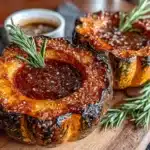
This easy brown sugar roasted acorn squash is a quick and delicious side dish made with just a few simple ingredients. It’s perfect for busy weeknights and is always a crowd-pleaser.
- Prep Time: 10 minutes
- Cook Time: 35 minutes
- Total Time: 45 minutes
- Yield: 4 servings 1x
- Category: Side Dish
- Cuisine: American
Ingredients
- 2 medium acorn squash (about 1 to 1.5 pounds each)
- 4 tablespoons unsalted butter, softened
- 4 tablespoons brown sugar, packed
- ½ teaspoon kosher salt, plus more for finishing
- ¼ teaspoon cinnamon or pumpkin pie spice (optional)
Instructions
- Preheat your oven to 400°F (200°C).
- Carefully cut the acorn squash in half from the stem end down to the point. Use a sharp chef’s knife and a gentle sawing motion.
- Scoop out the seeds and stringy pulp from the center of each half using a sturdy spoon.
- Place the squash halves cut-side up in a 9×13-inch baking dish or on a rimmed sheet pan.
- Sprinkle a tiny pinch of salt into each of the four cavities. If using cinnamon or pumpkin pie spice, sprinkle a tiny bit in now.
- Place 1 tablespoon of the softened butter into each squash cavity. Top each with 1 tablespoon of packed brown sugar. Do not stir.
- Roast for 35-45 minutes, until the squash is tender and easily pierced with a fork, and the edges are browned and caramelized.
- Remove from the oven and baste the cut surface of the squash with the buttery, sugary juices from the bottom of the dish. Finish with a light sprinkle of flaky sea salt. Serve immediately.
Notes
For a savory version, skip the brown sugar and cinnamon and stuff each cavity with butter, minced garlic, and fresh rosemary or thyme. For a vegan option, swap butter for vegan butter or coconut oil. If the sugar is browning too quickly, tent the dish with foil. Deglaze the pan with a splash of water or apple cider for extra sauce.
Nutrition
- Serving Size: 1 squash half
- Calories: 240
- Sugar: 15
- Sodium: 300
- Fat: 12
- Saturated Fat: 7
- Carbohydrates: 35
- Fiber: 5
- Protein: 2
Keywords: acorn squash, brown sugar, roasted squash, easy side dish, fall recipe, weeknight dinner, vegetarian, gluten-free