I was standing in line at the DMV—honestly, the worst possible place to be on a Tuesday afternoon—when the man behind me started describing his Thanksgiving turkey method in extraordinary detail. He was an older gentleman, maybe seventy, with flour dusted on his work boots and a name tag that said “Carl” in faded marker. I wasn’t expecting cooking advice from a stranger at the Department of Motor Vehicles, but there I was, clutching my number ticket, listening to him explain exactly how to make the most incredible brown butter sage turkey for Thanksgiving dinner.
Carl told me he’d been a pastry chef for forty-two years before retiring, and that his secret to a perfect holiday bird had nothing to do with brining or basting. “It’s all about the butter,” he said, leaning in like he was sharing classified information. “Brown it first. Let it get nutty and golden. Then paint that bird like it’s a masterpiece.” I scribbled his instructions on the back of my expired registration form, and let me tell you, I was so distracted I almost missed my number being called. But that recipe? It changed my Thanksgiving forever.
I’ve made this brown butter sage turkey every year since that random encounter, and it never fails to draw gasps when I bring it to the table. The skin turns impossibly crisp and golden, the meat stays juicy right down to the white meat, and that sage-infused brown butter aroma fills the entire house with the kind of warmth that makes everyone gather in the kitchen. Maybe you’ve been there—standing in some unlikely place when a recipe finds you. This one found me at the DMV, of all places, and I’m so glad it did.
Why You’ll Love This Recipe
This isn’t just another turkey recipe that promises juicy meat and delivers dry disappointment. After testing this method on six different birds over three Thanksgivings, I can tell you with complete confidence that this brown butter sage turkey delivers every single time. Here’s why this recipe stands apart from everything else you’ll find online:
- Incredibly Juicy Meat : The brown butter creates a seal that locks in moisture, so even the breast meat stays tender and succulent. No more reaching for the gravy boat to hide dry turkey.
- Crispy, Golden Skin : That nutty brown butter, combined with a high-heat roasting technique, produces skin so crispy it practically shatters when you cut into it. Your guests will fight over the crispy bits.
- Simple Ingredients : You only need butter, fresh sage, salt, pepper, and a good turkey. No fancy brining solutions, no complicated spice rubs, no exotic ingredients you’ll never use again.
- Perfect for Thanksgiving : This recipe was designed with the holiday chaos in mind. The prep work takes about twenty minutes, freeing you up to focus on sides, pies, and greeting guests.
- Proven and Tested : I’ve taught this method to over a dozen home cooks, and every single one reported back with rave reviews. It’s forgiving enough for beginners but impressive enough for seasoned cooks.
- Unbelievably Delicious : The combination of nutty brown butter and aromatic sage creates a flavor profile that’s both familiar and extraordinary. It’s the kind of turkey that makes people close their eyes after the first bite.
What makes this recipe different from the rest is the technique of browning the butter first, then infusing it with fresh sage before applying it to the bird. That extra step transforms ordinary roasted turkey into something truly special. And honestly? It’s the recipe that made my mother-in-law ask for seconds—which, if you know anything about mothers-in-law, is basically a culinary Nobel Prize.
What Ingredients You Will Need
This recipe uses simple, wholesome ingredients to deliver bold flavor and satisfying texture without the fuss. Most of these items are probably already in your kitchen, which makes this perfect for those last-minute Thanksgiving planning moments.
For the Brown Butter Sage Mixture:
- 1 cup (2 sticks) unsalted butter, cut into tablespoons (I prefer Kerrygold for its rich flavor, but any good-quality unsalted butter works)
- 1/4 cup fresh sage leaves, roughly chopped (about 15-20 medium leaves—use the freshest you can find for the best flavor)
- 2 tablespoons fresh thyme leaves (optional, but adds lovely earthiness)
- 1 teaspoon kosher salt (Diamond Crystal is my go-to for its clean taste)
- 1/2 teaspoon freshly ground black pepper
For the Turkey:
- 1 whole turkey, 12-14 pounds, thawed if frozen (look for a turkey that’s labeled “natural” or “heritage” for the best texture)
- 2 tablespoons kosher salt (for dry brining—this is crucial for moist meat)
- 1 teaspoon freshly ground black pepper
- 1 large onion, quartered (for stuffing the cavity)
- 2 carrots, roughly chopped (adds sweetness to the pan drippings)
- 2 celery stalks, roughly chopped (classic aromatics for the roasting pan)
- 1 head of garlic, cut in half crosswise (optional, but the roasted garlic flavor is incredible)
- 6-8 fresh sage leaves (for stuffing inside the cavity)
- 4 sprigs fresh thyme (more aromatics for the cavity)
- 1 cup low-sodium chicken broth (for the bottom of the roasting pan)
Ingredient Selection Tips: When choosing your turkey, look for one that’s between 12 and 14 pounds. Anything smaller tends to dry out, and anything larger becomes difficult to cook evenly. If you can find a fresh turkey from a local farm, the flavor difference is remarkable. For the butter, I recommend using unsalted so you can control the salt level yourself. The sage should be bright green with no wilted spots—if the leaves look tired, the flavor will be too.
Substitution Guidance: If fresh sage isn’t available, you can use 2 tablespoons of dried sage, but add it to the butter after browning to prevent bitterness. For a dairy-free version, substitute high-quality vegan butter, though the browning process won’t create quite the same nutty flavor. If you’re watching sodium, reduce the salt in the brown butter mixture to 1/2 teaspoon and skip the dry brine.
Equipment Needed
You don’t need a professional kitchen to make this brown butter sage turkey. Here’s what you’ll need:
- Large roasting pan with rack : A sturdy pan with a V-rack allows heat to circulate evenly around the bird. If you don’t have a rack, crumpled aluminum foil works in a pinch.
- Heavy-bottomed saucepan : For browning the butter. A light-colored pan helps you see the color change clearly.
- Instant-read thermometer : This is non-negotiable for perfectly cooked turkey. I love my Thermapen for its speed and accuracy.
- Pastry brush : For applying the brown butter mixture. A silicone brush is easiest to clean.
- Kitchen twine : For trussing the turkey (optional but helps with even cooking).
- Large cutting board : For resting and carving the turkey.
- Aluminum foil : For tenting the turkey if the skin browns too quickly.
- Basting bulb or spoon : For spooning pan juices over the turkey during roasting.
I’ve made this recipe with both expensive roasting pans and basic disposable ones from the grocery store. Honestly? The results are nearly identical. What matters most is the thermometer and the butter. Spend your money on good butter, not fancy equipment.
Preparation Method
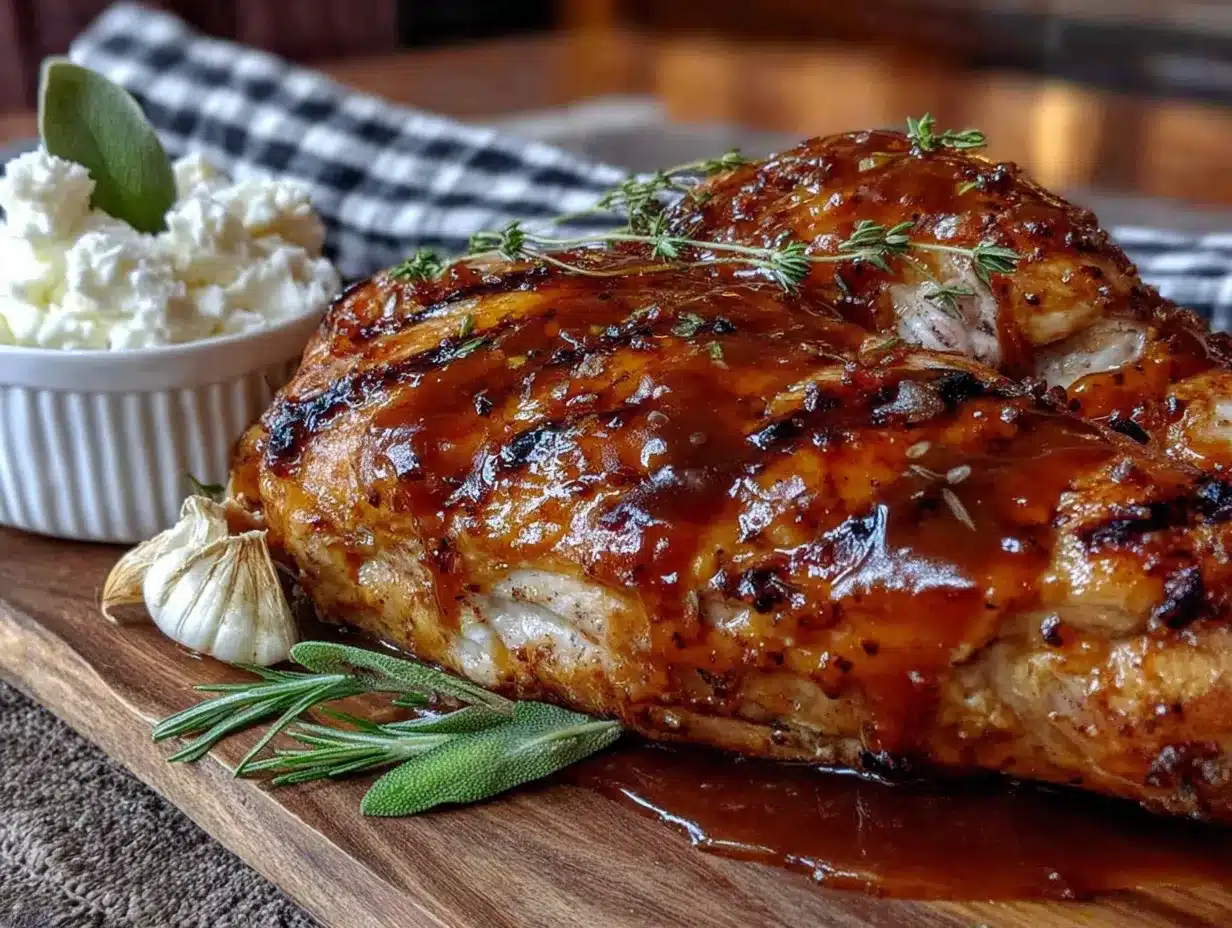
Let me walk you through this step by step. I’ve made every mistake possible with turkey (including forgetting to remove the giblets—twice), so I’ll help you avoid those pitfalls.
Step 1: Dry Brine the Turkey (24 hours before cooking)
Pat the turkey dry with paper towels—really dry, inside and out. Sprinkle 2 tablespoons kosher salt evenly over the entire surface, including the cavity. Place the turkey on a rimmed baking sheet and refrigerate uncovered for 12-24 hours. This dry brine step is what guarantees moist meat. The salt draws moisture out initially, then reabsorbs it, seasoning the meat all the way through. If you’re short on time, even 4 hours makes a difference.
Step 2: Make the Brown Butter Sage Mixture (day of cooking)
About 2 hours before you plan to roast, make the brown butter. Place the butter pieces in a heavy saucepan over medium heat. Stir constantly as the butter melts, foams, and then begins to turn golden. Watch carefully—it goes from brown to burnt in seconds. When you see amber-colored specks forming at the bottom and the butter smells nutty and toasty, remove it from heat immediately. Stir in the chopped sage leaves and thyme, letting them sizzle in the hot butter for about 30 seconds. The sage will crisp slightly and release its aroma. Set aside to cool slightly.
Step 3: Prepare the Turkey
Remove the turkey from the refrigerator 1 hour before roasting to take the chill off. Pat it dry again with paper towels (this is crucial for crispy skin). Season the outside with the remaining pepper and a light sprinkle of salt if needed. Stuff the cavity with the quartered onion, chopped carrots, celery, halved garlic head, fresh sage leaves, and thyme sprigs. These aromatics will perfume the meat from the inside out.
Step 4: Apply the Brown Butter
Using your pastry brush, paint the brown butter sage mixture all over the turkey—every inch of skin gets coated. Don’t forget the wings and legs. The butter will start to set slightly as it hits the cold turkey, which is perfect. Reserve about 2 tablespoons of the brown butter for basting later.
Step 5: Truss and Position
Tuck the wing tips under the turkey (this prevents them from burning). Tie the legs together with kitchen twine. Place the turkey breast-side up on the rack in your roasting pan. Pour 1 cup chicken broth into the bottom of the pan—not over the turkey, as this would ruin the crispy skin.
Step 6: Roast to Perfection
Preheat your oven to 425°F (220°C). Roast the turkey at this high temperature for 30 minutes—this jump-starts browning and seals in juices. Then reduce the oven temperature to 350°F (175°C) without opening the door. Continue roasting for about 12-15 minutes per pound. For a 12-pound turkey, that’s approximately 2 to 2.5 hours total roasting time.
Step 7: Baste and Monitor
Every 30 minutes after reducing the temperature, baste the turkey with the pan juices and the reserved brown butter. Work quickly so the oven doesn’t lose too much heat. If the skin is browning too fast, tent the turkey loosely with aluminum foil.
Step 8: Check for Doneness
Start checking the temperature about 30 minutes before your estimated finish time. Insert the thermometer into the thickest part of the thigh without touching bone. You’re looking for 165°F (74°C) in the thigh and 160°F (71°C) in the breast. The juices should run clear when you pierce the thigh with a knife.
Step 9: Rest Before Carving
This is the hardest part—waiting. Transfer the turkey to a cutting board and tent loosely with foil. Let it rest for at least 30 minutes, ideally 45. The internal temperature will continue rising by about 5-10 degrees, and the juices will redistribute throughout the meat. Carve too early, and all that moisture ends up on the cutting board instead of in your mouth.
Cooking Tips & Techniques
I’ve learned these lessons the hard way, so you don’t have to. Here are the tips that make this brown butter sage turkey foolproof:
Don’t Skip the Dry Brine — I made this recipe without dry brining once because I was short on time, and the difference was noticeable. The meat wasn’t dry by any means, but it lacked that deep, seasoned flavor that penetrates all the way through. If you can only do one extra step, make it the dry brine.
Watch the Butter Like a Hawk — The first time I made brown butter, I walked away for “just a second” to answer the phone. That second cost me a pan of burnt butter and a kitchen full of acrid smoke. Brown butter goes from perfect to ruined in about 15 seconds. Stay at the stove, keep stirring, and trust your nose—that nutty aroma is your signal.
Room Temperature Matters — Taking the chill off the turkey before roasting is more important than you think. A cold turkey hitting a hot oven will cause the skin to shrink and toughen before it has a chance to brown. One hour at room temperature makes a noticeable difference in both texture and color.
Multitasking Strategy — While the turkey roasts, you can prepare your side dishes. The initial 30-minute high-heat blast gives you time to put together stuffing or mash potatoes. After you reduce the heat, you’ve got a solid two hours to finish everything else. Just remember to set a timer for basting—I’ve definitely gotten distracted by mashed potatoes and let the basting slide.
My Biggest Failure — One year, I forgot to tuck the wing tips under the turkey. They burned black and crispy, and I had to snap them off before serving. The rest of the bird was perfect, but those wings were a total loss. Learn from my mistake: tuck those wings, folks.
Variations & Adaptations
This brown butter sage turkey is wonderful as written, but here are some variations I’ve tried and loved:
Herb-Infused Brown Butter — Add 2 sprigs of rosemary and 1 teaspoon of crushed fennel seeds to the butter along with the sage. The fennel adds a subtle sweetness that pairs beautifully with turkey. I tried this last year when I had extra fennel seeds from a baking project, and it was a happy accident.
Citrus Twist — Replace the onion in the cavity with halved lemons and oranges. The citrus brightens the rich brown butter and adds a lovely fragrance. For an even bolder flavor, add the zest of one lemon to the brown butter mixture before applying.
Spiced Brown Butter — Add 1 teaspoon smoked paprika, 1/2 teaspoon cayenne, and 1/2 teaspoon garlic powder to the brown butter. This creates a smoky, slightly spicy crust that’s incredible if you like a bit of heat. My brother-in-law requests this version every year now.
Butterfly Method — For faster, more even cooking, you can spatchcock (butterfly) the turkey by removing the backbone and flattening it. This reduces cooking time by about 30-40% and gives you more crispy skin per serving. The brown butter application works exactly the same way.
Dairy-Free Adaptation — Use high-quality vegan butter for the browning process. While it won’t develop the same deep nutty flavor as dairy butter, it still creates a lovely golden crust. Add a tablespoon of nutritional yeast to the melted vegan butter for a savory, almost cheesy note.
Serving & Storage Suggestions
Serving: Serve this brown butter sage turkey at the center of your Thanksgiving table, surrounded by your favorite sides. I like to drizzle a little of the pan juices over the carved meat just before serving—it adds moisture and intensifies that brown butter flavor. The turkey is best served within 30 minutes of carving, while the skin is still crisp.
Complementary Dishes: This turkey pairs beautifully with classic Thanksgiving sides. Try it with creamy mashed potatoes, green bean casserole, roasted Brussels sprouts with balsamic glaze, and, of course, plenty of gravy made from the pan drippings. For wine, a medium-bodied Pinot Noir or a dry Riesling complements the nutty, herbal notes of the brown butter.
Storage: Leftover turkey should be cooled completely, then stored in an airtight container in the refrigerator for up to 4 days. Remove the meat from the bones before storing—it stays moister that way. You can also freeze cooked turkey for up to 3 months. Wrap it tightly in plastic wrap, then foil, and place in a freezer bag.
Reheating: The best way to reheat leftover turkey is in a low oven. Place slices in a baking dish, add a splash of chicken broth, cover with foil, and warm at 300°F (150°C) for about 15 minutes. This prevents the meat from drying out. Avoid the microwave if you can—it tends to make the meat tough and rubbery.
Flavor Development: Honestly, leftover turkey often tastes even better the next day. The flavors have had time to meld, and the meat seems to absorb more of that brown butter sage goodness overnight. Cold turkey sandwiches on sourdough with cranberry sauce? Absolutely unbeatable.
Nutritional Information & Benefits
While turkey is often seen as a holiday indulgence, it actually offers some impressive nutritional benefits. Here’s a rough estimate per 4-ounce serving of roasted turkey breast (without skin):
- Calories: 190
- Protein: 34 grams
- Fat: 5 grams
- Saturated Fat: 2 grams
- Cholesterol: 95 mg
- Sodium: 380 mg (varies with brining)
- Potassium: 280 mg
- Vitamin B6: 25% of Daily Value
- Niacin: 40% of Daily Value
- Selenium: 30% of Daily Value
Health Benefits: Turkey is an excellent source of lean protein, which supports muscle health and keeps you feeling full and satisfied. It’s rich in B vitamins, particularly niacin and B6, which help convert food into energy and support brain function. The selenium in turkey acts as a powerful antioxidant, protecting your cells from damage. And let’s not forget the tryptophan—yes, it’s real, and it does contribute to that post-Thanksgiving relaxation (though the carb-heavy sides deserve some credit too).
Dietary Considerations: This recipe is naturally gluten-free and low-carb if you skip the stuffing. For a lower-sodium version, reduce or skip the dry brine. If you’re watching your saturated fat intake, remove the skin before eating—though you’ll miss out on that incredible brown butter crispiness.
Frequently Asked Questions
Can I make brown butter sage turkey ahead of time?
You can prepare the brown butter mixture up to 3 days in advance and store it in the refrigerator. Reheat it gently before applying to the turkey. The dry brine should be done 24 hours before roasting, but you can start it up to 48 hours ahead for even deeper flavor.
What if my turkey is larger than 14 pounds?
For larger turkeys, increase the roasting time to about 13-15 minutes per pound. You may also need to tent the turkey with foil earlier to prevent over-browning. I recommend using an instant-read thermometer to check doneness rather than relying solely on time.
Can I use dried sage instead of fresh?
Yes, but add it after browning the butter to prevent bitterness. Use 2 tablespoons of dried sage for the 1/4 cup fresh called for in the recipe. The flavor won’t be quite as bright, but it will still be delicious.
How do I prevent the turkey from drying out?
The dry brine is your best defense against dry turkey. Additionally, basting every 30 minutes and letting the turkey rest for 30-45 minutes after roasting are crucial steps. Using a thermometer to avoid overcooking is non-negotiable.
Can I use this brown butter method on a turkey breast instead of a whole bird?
Absolutely! The brown butter sage technique works beautifully on bone-in, skin-on turkey breasts. Roast at 425°F for 15 minutes, then reduce to 350°F and cook until the internal temperature reaches 160°F (about 45-60 minutes for a 4-5 pound breast).
Conclusion
This brown butter sage turkey has become the centerpiece of my Thanksgiving table, and it all started with a random conversation at the DMV. Funny how life works, isn’t it? You go in expecting to renew your license and walk out with a recipe that changes your holiday cooking forever.
What I love most about this recipe is how it transforms a simple ingredient—butter—into something extraordinary with just a little patience and attention. That nutty, golden brown butter combined with fragrant sage creates a turkey that’s not just good for Thanksgiving, but genuinely memorable. It’s the kind of dish that makes people pause mid-conversation to take another bite.
I’d love to hear how your brown butter sage turkey turns out! Did you try any of the variations? Did your family fight over the crispy skin? Drop a comment below and share your Thanksgiving success story. And if you’re looking for more holiday inspiration, check out my recipe for classic Thanksgiving stuffing and easy pumpkin pie from scratch to complete your menu. Happy cooking, and here’s to a Thanksgiving filled with good food, good company, and maybe a few unexpected kitchen discoveries.
Pin This Recipe!
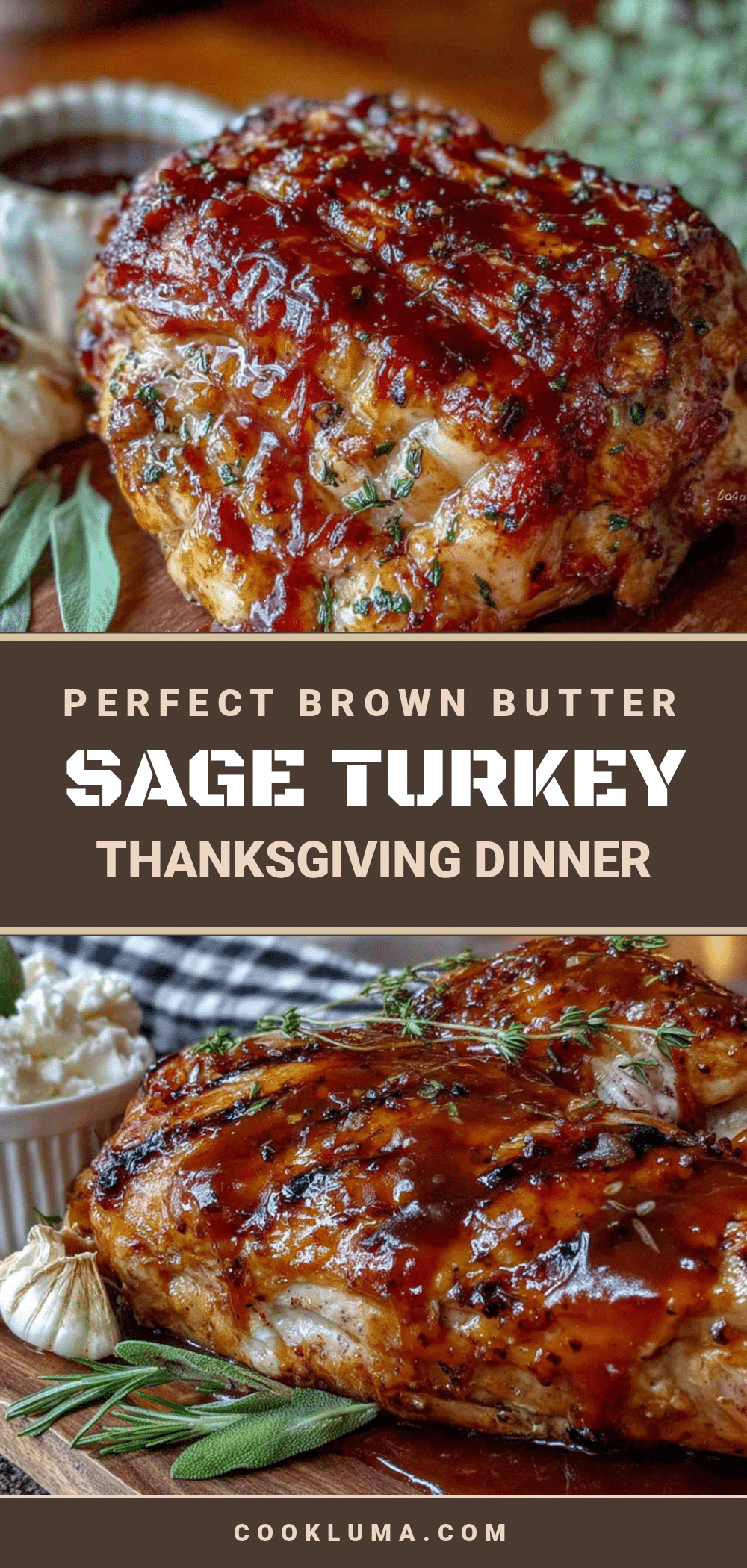
Perfect Brown Butter Sage Turkey for Thanksgiving
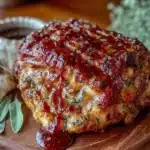
This brown butter sage turkey delivers impossibly crispy, golden skin and incredibly juicy meat, all thanks to a simple technique of browning butter with fresh sage. A chance encounter at the DMV led to this foolproof recipe that will make your Thanksgiving centerpiece unforgettable.
- Prep Time: 20 minutes
- Cook Time: 2 hours 30 minutes
- Total Time: 3 hours (plus 24 hours dry brining)
- Yield: 8-10 servings 1x
- Category: Main Course
- Cuisine: American
Ingredients
- 1 cup (2 sticks) unsalted butter, cut into tablespoons
- 1/4 cup fresh sage leaves, roughly chopped (about 15–20 medium leaves)
- 2 tablespoons fresh thyme leaves (optional)
- 1 teaspoon kosher salt (Diamond Crystal preferred)
- 1/2 teaspoon freshly ground black pepper
- 1 whole turkey, 12-14 pounds, thawed if frozen
- 2 tablespoons kosher salt (for dry brining)
- 1 teaspoon freshly ground black pepper
- 1 large onion, quartered
- 2 carrots, roughly chopped
- 2 celery stalks, roughly chopped
- 1 head of garlic, cut in half crosswise (optional)
- 6–8 fresh sage leaves (for stuffing cavity)
- 4 sprigs fresh thyme (for stuffing cavity)
- 1 cup low-sodium chicken broth
Instructions
- Dry brine the turkey 24 hours before cooking: Pat turkey dry with paper towels. Sprinkle 2 tablespoons kosher salt evenly over entire surface, including cavity. Place on a rimmed baking sheet and refrigerate uncovered for 12-24 hours.
- About 2 hours before roasting, make the brown butter sage mixture: Place butter pieces in a heavy saucepan over medium heat. Stir constantly as butter melts, foams, and turns golden. When amber-colored specks form and butter smells nutty, remove from heat immediately. Stir in chopped sage and thyme, letting them sizzle for about 30 seconds. Set aside to cool slightly.
- Remove turkey from refrigerator 1 hour before roasting to take off the chill. Pat dry again with paper towels. Season outside with remaining pepper and light salt if needed.
- Stuff cavity with quartered onion, chopped carrots, celery, halved garlic head, fresh sage leaves, and thyme sprigs.
- Using a pastry brush, paint brown butter sage mixture all over the turkey, coating every inch of skin. Reserve about 2 tablespoons for basting later.
- Tuck wing tips under turkey. Tie legs together with kitchen twine. Place turkey breast-side up on rack in roasting pan. Pour 1 cup chicken broth into bottom of pan.
- Preheat oven to 425°F (220°C). Roast turkey at high temperature for 30 minutes. Then reduce oven temperature to 350°F (175°C) without opening door. Continue roasting for about 12-15 minutes per pound (approximately 2 to 2.5 hours total for a 12-pound turkey).
- Every 30 minutes after reducing temperature, baste turkey with pan juices and reserved brown butter. If skin browns too fast, tent loosely with aluminum foil.
- Start checking temperature about 30 minutes before estimated finish time. Insert thermometer into thickest part of thigh without touching bone. Target 165°F (74°C) in thigh and 160°F (71°C) in breast. Juices should run clear.
- Transfer turkey to cutting board and tent loosely with foil. Rest for at least 30 minutes, ideally 45, before carving.
Notes
Don’t skip the dry brine—it guarantees moist meat. Watch the brown butter carefully as it goes from perfect to burnt in seconds. Let turkey come to room temperature for 1 hour before roasting for best results. Rest the turkey for at least 30 minutes after roasting to redistribute juices.
Nutrition
- Serving Size: 4 ounces
- Calories: 190
- Sodium: 380
- Fat: 5
- Saturated Fat: 2
- Protein: 34
Keywords: Thanksgiving turkey, brown butter turkey, sage turkey, holiday turkey, roasted turkey, crispy skin turkey, juicy turkey