It was 11:47 PM on a rainy Tuesday, and I had a craving that wouldn’t let go. Not for anything fancy—just that deep, soul-level need for mac and cheese. The kind that hugs you from the inside. But I didn’t have any regular pasta on hand, and honestly, I was too tired to care. What I did have was a sad-looking butternut squash sitting on my counter, some sharp cheddar, and a wild idea that just might work. I mean, pureed squash in mac and cheese? It sounded a little crazy. But it was late, nobody was watching, and my kitchen rules go out the window after 10 PM.
So I chopped that squash, tossed it in a pot with some broth, and let it simmer while I stared blankly at my phone. The whole thing felt like a happy accident in the making. When I blended it all together—squash, milk, cheese, a pinch of nutmeg (because why not)—something clicked. It was creamy, it was cozy, and it had this subtle sweetness that regular mac and cheese just doesn’t have. I ate it straight from the pot, standing at the counter, and honestly, I felt like I’d discovered a secret.
That’s the thing about late-night cooking. You’re not trying to impress anyone. You’re just following a whim, and sometimes that’s exactly when the best recipes happen. This one-pot butternut squash mac and cheese has become my go-to for those nights when I need comfort without the fuss. And maybe you’ve been there too—standing in your kitchen, hungry and hopeful, wondering if a weird combination might actually be genius. Spoiler: it is.
Why You’ll Love This Recipe
Let me tell you why this butternut squash mac and cheese has earned a permanent spot in my rotation. I’ve tested this recipe at least seven times (yes, seven—my family started asking if I was okay), and each time I tweaked something small. The result is a dish that’s foolproof, forgiving, and frankly, better than the boxed stuff.
- One Pot Wonder: Everything cooks in a single pot. Less cleanup, more time on the couch.
- Hidden Veggie Magic: The butternut squash blends in so smoothly, even picky eaters won’t notice. You get a serving of vegetables without the fight.
- Creamy Without Heavy Cream: The squash creates this luscious, velvety sauce that feels indulgent but isn’t loaded with dairy fat.
- Perfect for Cozy Nights: This is the kind of meal that pairs perfectly with a rainy evening, a good book, or a Netflix binge.
- Budget-Friendly: Butternut squash is usually cheap in the fall, and you probably have most of the other ingredients in your pantry.
What makes this recipe different from the rest? It’s the technique. Most versions require you to roast the squash separately, which adds time and an extra dish. Not here. You simmer the squash right in the broth until it’s tender, then blend it directly in the pot with an immersion blender. No transferring, no roasting pan to scrub. It’s streamlined, it’s smart, and it works every single time.
This isn’t just another mac and cheese recipe. It’s the one that makes you close your eyes after the first bite. It’s comfort food reimagined—healthier, faster, but with the same soul-soothing satisfaction. Perfect for impressing guests without stress, or turning a simple Tuesday into something memorable.
What Ingredients You Will Need
This recipe uses simple, wholesome ingredients to deliver bold flavor and satisfying texture without the fuss. Most of these are pantry staples or easy to find at any grocery store.
For the Sauce Base:
- Butternut squash, peeled and cubed (about 3 cups) — This is the star. Look for one with a deep orange color for maximum sweetness. Frozen pre-cut squash works in a pinch, but fresh gives a silkier texture.
- Low-sodium vegetable broth, 2 cups — Use a good quality brand like Pacific Foods or Imagine. The broth adds depth without overpowering the squash.
- Whole milk, 1 cup — Adds richness. You can use 2% or unsweetened oat milk, but the sauce won’t be quite as creamy.
- Sharp cheddar cheese, 2 cups shredded — I prefer Tillamook or Cabot for their meltability. Pre-shredded cheese has anti-caking agents that can make the sauce grainy, so shred your own.
- Parmesan cheese, ½ cup grated — Adds a nutty, salty kick that balances the sweetness of the squash.
For the Pasta:
- Elbow macaroni, 8 ounces — Or any small pasta shape like shells, cavatappi, or rotini. Gluten-free pasta works well here too.
- Unsalted butter, 2 tablespoons — Adds richness and helps the sauce cling to the pasta.
Seasonings:
- Garlic powder, 1 teaspoon — Don’t use fresh garlic here; it can overpower the delicate squash flavor.
- Onion powder, ½ teaspoon — Adds savory depth.
- Ground nutmeg, ¼ teaspoon — This is the secret ingredient. It sounds weird, but it enhances the sweetness of the squash and makes the cheese taste cheesier.
- Salt and black pepper, to taste — Start with ½ teaspoon salt and adjust at the end.
- Pinch of cayenne pepper (optional) — Just a tiny bit for warmth, not heat.
Optional Toppings:
- Breadcrumbs, ½ cup — Panko gives the best crunch. Toast them in a skillet with a little butter for extra flavor.
- Fresh thyme or sage — A few leaves scattered on top make it look fancy.
Equipment Needed
You don’t need a fancy kitchen to pull this off. Here’s what I use:
- Large Dutch oven or heavy-bottomed pot (5-6 quart) — Le Creuset is lovely, but a Lodge enameled pot or even a deep stainless steel pot works great. The heavy bottom prevents scorching.
- Immersion blender — This is the game-changer. I use a Cuisinart model that cost about $40. If you don’t have one, you can carefully transfer the hot liquid to a regular blender, but let it cool slightly first and blend in batches.
- Cheese grater — A box grater is fine. Microplane works if you’re grating Parmesan.
- Wooden spoon or silicone spatula — For stirring. Silicone won’t scratch your pot.
- Measuring cups and spoons — Standard set.
- Cutting board and sharp knife — For cubing the squash. A Y-peeler makes peeling easier.
If you’re on a budget, skip the immersion blender and use a regular blender. Just be careful with the hot liquid—fill it only halfway and hold the lid with a towel. I learned that the hard way after a minor kitchen explosion.
Preparation Method
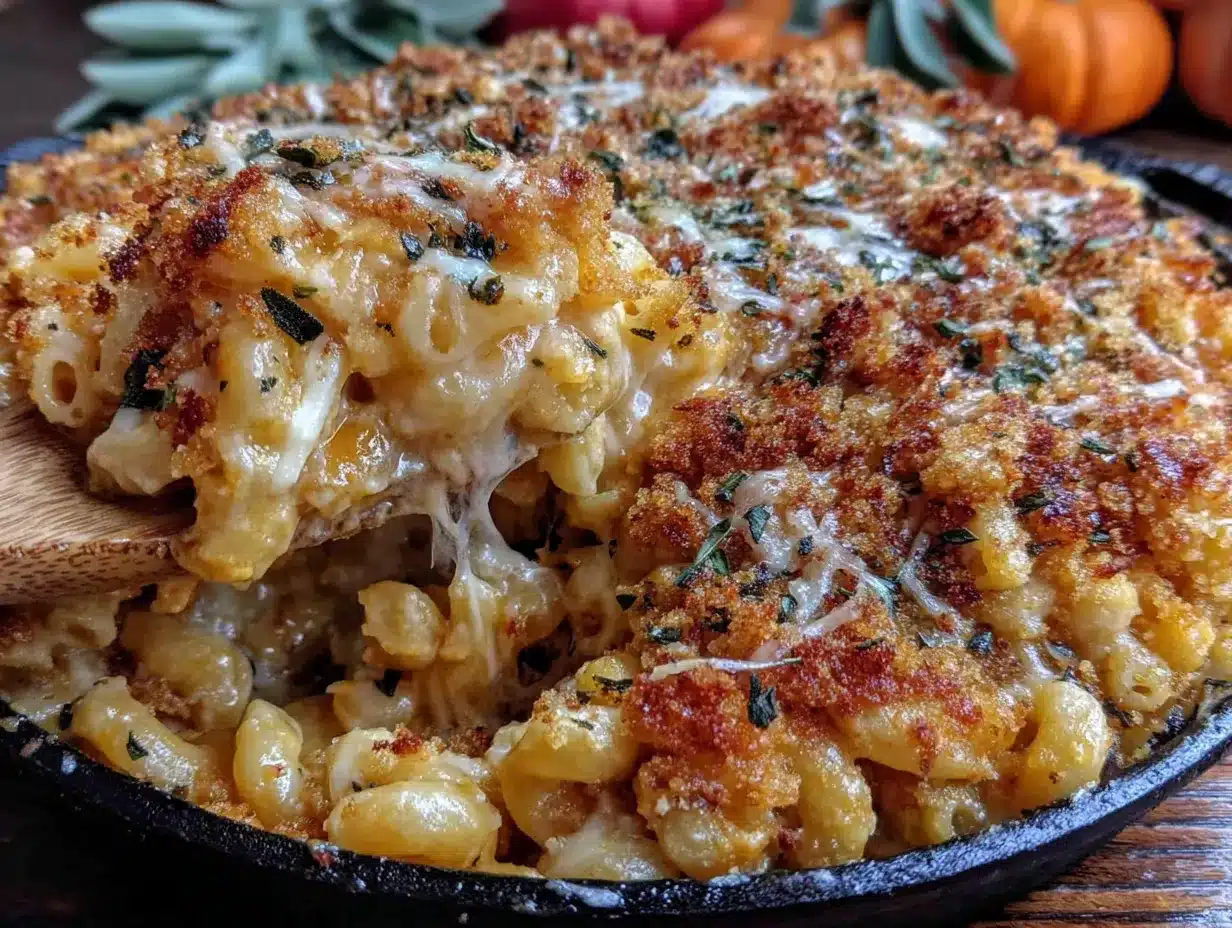
Let’s get cooking. This whole thing comes together in about 30 minutes, start to finish.
Step 1: Prep the Squash (5 minutes)
Peel the butternut squash using a vegetable peeler. Cut off the top and bottom, then slice it in half lengthwise. Scoop out the seeds with a spoon. Cut the flesh into 1-inch cubes. You should have about 3 cups. Don’t stress about perfect cubes—they’re going to get blended anyway.
Step 2: Cook the Squash (15 minutes)
Place the cubed squash in your Dutch oven. Add the vegetable broth and bring it to a boil over medium-high heat. Once boiling, reduce the heat to medium-low, cover, and let it simmer for 12-15 minutes. The squash is ready when you can easily pierce it with a fork. It should be very tender—almost falling apart.
Step 3: Blend the Sauce (3 minutes)
Turn off the heat. Use your immersion blender to puree the squash directly in the pot until it’s completely smooth. If you’re using a regular blender, let the mixture cool for 5 minutes first, then blend in batches. Be careful—hot liquid expands. The sauce should look like a thick, creamy orange soup.
Step 4: Add the Milk and Seasonings (2 minutes)
Stir in the whole milk, garlic powder, onion powder, nutmeg, salt, pepper, and cayenne if using. Whisk until everything is combined. The sauce will look a little thin at this point, but don’t worry—it will thicken as the pasta cooks.
Step 5: Cook the Pasta (8-10 minutes)
Add the uncooked elbow macaroni directly into the pot. Stir well to make sure all the pasta is submerged in the sauce. Bring it back to a gentle simmer over medium heat. Cook for 8-10 minutes, stirring occasionally to prevent sticking. The pasta will absorb some of the liquid and the sauce will thicken naturally. If it looks too thick, add a splash of milk or broth.
Step 6: Add the Cheese (2 minutes)
Once the pasta is tender, remove the pot from the heat. Add the shredded cheddar, Parmesan, and butter. Stir vigorously until everything is melted and smooth. The residual heat will do the work—no need to turn the burner back on. Taste and adjust salt and pepper.
Step 7: Optional Topping (3 minutes)
If you want a crunchy topping, toast panko breadcrumbs in a small skillet with 1 tablespoon of butter over medium heat for 2-3 minutes until golden. Sprinkle over the finished mac and cheese.
Serve immediately. The sauce will continue to thicken as it sits, so eat it while it’s hot and creamy.
Cooking Tips & Techniques
I’ve made this recipe enough times to know exactly where things can go wrong. Here’s what I’ve learned:
Don’t overcook the squash. If you let it simmer too long, it can become waterlogged and bland. Cook it just until fork-tender—about 12 minutes is usually perfect.
Shred your own cheese. I know it’s tempting to buy the bagged stuff, but those anti-caking coatings (cellulose, potato starch) prevent smooth melting. Your sauce will be grainy. Take the extra 2 minutes to shred a block of cheddar—it makes a real difference.
Watch the heat when adding cheese. If the pot is still on the burner when you add the cheese, it can seize up and turn into a clumpy mess. Always remove the pot from heat first. The residual warmth is plenty to melt everything smoothly.
Use an immersion blender carefully. I once blended too close to the surface and splattered hot squash puree all over my arm. Keep the blender fully submerged and start on low speed before ramping up.
Season in layers. Don’t dump all the salt in at once. Add a little at the beginning, then taste and adjust at the end. The cheese adds saltiness too, so you might need less than you think.
Multitask like a pro. While the squash simmers, grate your cheese and measure your pasta. That way, when it’s time to blend, everything is ready to go. It makes the process feel effortless.
Variations & Adaptations
This recipe is incredibly flexible. Here are a few ways to change it up:
Vegan Version: Swap the milk for unsweetened oat milk or canned coconut milk (the full-fat kind for creaminess). Use nutritional yeast instead of Parmesan, and a vegan cheddar shred that melts well. Violife and Miyoko’s are my go-tos.
Gluten-Free Option: Use your favorite gluten-free pasta. I like Barilla’s red lentil or chickpea pasta for extra protein. Cook it a minute less than the package directs since it will continue cooking in the sauce.
Protein-Packed: Stir in 2 cups of shredded rotisserie chicken or cooked Italian sausage at the end. Or add 1 cup of frozen peas for a pop of green and extra nutrients.
Spicy Kick: Add ½ teaspoon of smoked paprika and ¼ teaspoon of chipotle powder along with the other seasonings. It gives the dish a smoky warmth that pairs beautifully with the sweet squash.
Seasonal Twist: In the summer, swap butternut squash for roasted zucchini or yellow squash. In winter, use roasted sweet potato or pumpkin puree. Each variation brings its own personality to the dish.
I once tried adding a tablespoon of Dijon mustard to the sauce, and honestly, it was fantastic. The tang cut through the richness perfectly. Give it a shot if you’re feeling adventurous.
Serving & Storage Suggestions
This mac and cheese is best served immediately, straight from the pot, while it’s still warm and creamy. Spoon it into bowls and top with fresh thyme or a sprinkle of black pepper. It pairs beautifully with a simple green salad dressed with lemon vinaigrette—the acidity cuts through the richness.
For a heartier meal, serve it alongside roasted Brussels sprouts or a side of steamed broccoli. If you’re feeling fancy, a glass of crisp white wine like Sauvignon Blanc or a light Pinot Noir complements the creamy, nutty flavors.
Storage:
Leftovers keep well in an airtight container in the refrigerator for up to 4 days. The pasta will absorb some of the sauce as it sits, so don’t be alarmed if it looks thicker the next day.
Reheating:
The best way to reheat is on the stovetop. Add a splash of milk or broth and warm over medium-low heat, stirring gently, until heated through. You can also microwave it in 30-second bursts, stirring between each, but the texture won’t be quite as creamy.
Freezing:
This recipe freezes surprisingly well. Let it cool completely, then transfer to a freezer-safe container. It will keep for up to 3 months. Thaw overnight in the fridge and reheat as directed. Note: the texture will be slightly softer after freezing, but the flavor remains spot-on.
Nutritional Information & Benefits
This butternut squash mac and cheese is a healthier take on the classic, but it doesn’t skimp on flavor. Here’s the approximate nutritional breakdown per serving (based on 6 servings):
– Calories: 420
– Protein: 18g
– Fat: 18g
– Carbohydrates: 48g
– Fiber: 6g
– Sugar: 8g
– Sodium: 520mg
The butternut squash is packed with vitamin A (over 100% of your daily needs per serving), vitamin C, and potassium. It also provides a good dose of fiber, which helps keep you full and supports digestive health. The sharp cheddar adds calcium and protein, while the Parmesan contributes a boost of umami flavor without too much extra fat.
This recipe is naturally vegetarian and can easily be made gluten-free or vegan. It’s lower in saturated fat than traditional mac and cheese thanks to the squash-based sauce, but it still feels indulgent. I love knowing I’m getting a serving of vegetables in a dish that tastes like pure comfort.
Conclusion
This one-pot butternut squash mac and cheese has become my weeknight hero. It’s quick, it’s cozy, and it makes me feel like I’m eating something genuinely good for me without sacrificing an ounce of flavor. The best part? It came from a late-night whim and a fridge full of odds and ends. That’s the kind of cooking I live for—imperfect, intuitive, and totally rewarding.
I hope you give this recipe a try and make it your own. Maybe you’ll add extra cheese. Maybe you’ll throw in some bacon. Maybe you’ll eat it straight from the pot like I did. Whatever you do, I’d love to hear about it. Leave a comment below and tell me how it turned out, or share your own twist on this dish. And if you snap a photo, tag me on Pinterest—I’m always looking for inspiration.
Here’s to cozy nights, happy accidents, and the best mac and cheese you’ll ever make.
Frequently Asked Questions
Can I use frozen butternut squash?
Yes, absolutely. Frozen pre-cut squash works great and saves you the peeling step. Just add it directly to the pot with the broth and simmer until tender, about 15-18 minutes.
Why is my sauce grainy?
Grainy sauce usually happens when you use pre-shredded cheese or overheat the cheese. Always shred your own block cheese and remove the pot from the heat before stirring it in.
Can I make this ahead of time?
You can, but it’s best fresh. If you make it ahead, undercook the pasta by 1-2 minutes so it doesn’t get mushy when reheated. Add a splash of milk when reheating to restore the creamy texture.
What if I don’t have an immersion blender?
No problem. Let the squash mixture cool for 5 minutes, then carefully transfer it to a regular blender. Blend in batches, filling the blender only halfway each time. Hold the lid with a kitchen towel to prevent splatters.
Can I use a different type of cheese?
Absolutely. Gruyère, fontina, or Monterey Jack all melt beautifully. For a sharper flavor, try extra-sharp cheddar or a mix of cheddar and Gouda. Avoid crumbly cheeses like feta—they won’t melt smoothly.
Cozy One Pot Butternut Squash Mac and Cheese: Best Easy Recipe

This one-pot butternut squash mac and cheese is creamy, cozy, and packed with hidden veggies. It’s a healthier twist on the classic comfort food, ready in about 30 minutes with minimal cleanup.
- Prep Time: 5 minutes
- Cook Time: 25 minutes
- Total Time: 30 minutes
- Yield: 6 servings 1x
- Category: Main Course
- Cuisine: American
Ingredients
- 3 cups butternut squash, peeled and cubed (about 1 medium squash)
- 2 cups low-sodium vegetable broth
- 1 cup whole milk
- 2 cups sharp cheddar cheese, shredded
- 1/2 cup Parmesan cheese, grated
- 8 ounces elbow macaroni (or small pasta shape)
- 2 tablespoons unsalted butter
- 1 teaspoon garlic powder
- 1/2 teaspoon onion powder
- 1/4 teaspoon ground nutmeg
- Salt and black pepper to taste
- Pinch of cayenne pepper (optional)
- 1/2 cup panko breadcrumbs (optional topping)
- Fresh thyme or sage (optional garnish)
Instructions
- Peel the butternut squash, cut in half lengthwise, scoop out seeds, and cut into 1-inch cubes (about 3 cups).
- Place cubed squash in a large Dutch oven or heavy-bottomed pot. Add vegetable broth and bring to a boil over medium-high heat. Reduce heat to medium-low, cover, and simmer for 12-15 minutes until squash is fork-tender.
- Turn off heat. Use an immersion blender to puree the squash directly in the pot until completely smooth. (Alternatively, let cool slightly and blend in batches in a regular blender.)
- Stir in whole milk, garlic powder, onion powder, nutmeg, salt, pepper, and cayenne (if using). Whisk until combined.
- Add uncooked elbow macaroni to the pot. Stir well to submerge pasta. Bring to a gentle simmer over medium heat and cook for 8-10 minutes, stirring occasionally, until pasta is tender and sauce has thickened.
- Remove pot from heat. Add shredded cheddar, Parmesan, and butter. Stir vigorously until melted and smooth. Taste and adjust seasoning.
- For optional crunchy topping: Toast panko breadcrumbs in a small skillet with 1 tablespoon butter over medium heat for 2-3 minutes until golden. Sprinkle over mac and cheese.
- Serve immediately. The sauce will continue to thicken as it sits.
Notes
Shred your own cheese for a smooth sauce. Remove pot from heat before adding cheese to prevent clumping. For gluten-free, use gluten-free pasta. For vegan, use oat milk and vegan cheese. Leftovers keep in the fridge for up to 4 days; reheat with a splash of milk.
Nutrition
- Serving Size: 1 serving (about 1.5
- Calories: 420
- Sugar: 8
- Sodium: 520
- Fat: 18
- Saturated Fat: 10
- Carbohydrates: 48
- Fiber: 6
- Protein: 18
Keywords: butternut squash mac and cheese, one pot mac and cheese, healthy mac and cheese, vegetarian mac and cheese, easy mac and cheese